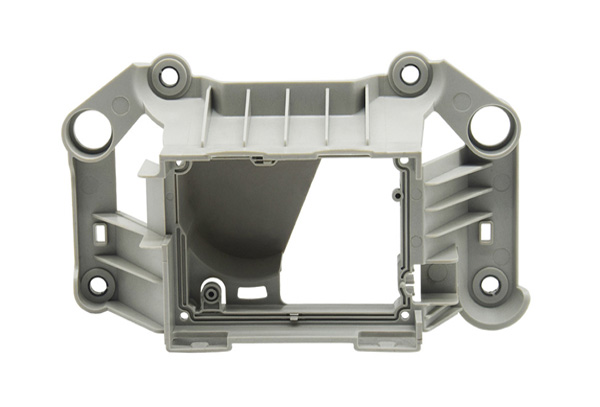
In the realm of precision manufacturing, the true barrier to entry for complex, irregular components isn't the number of axes on a machine—it’s the control of "uncertainty." When facing parts with free-form surfaces, lack of datums, and ultra-thin walls, simply stacking equipment parameters won't solve the problem. Based on years of experience at YONG'EN FORMING, true mastery lies in the invisible process pre-planning.
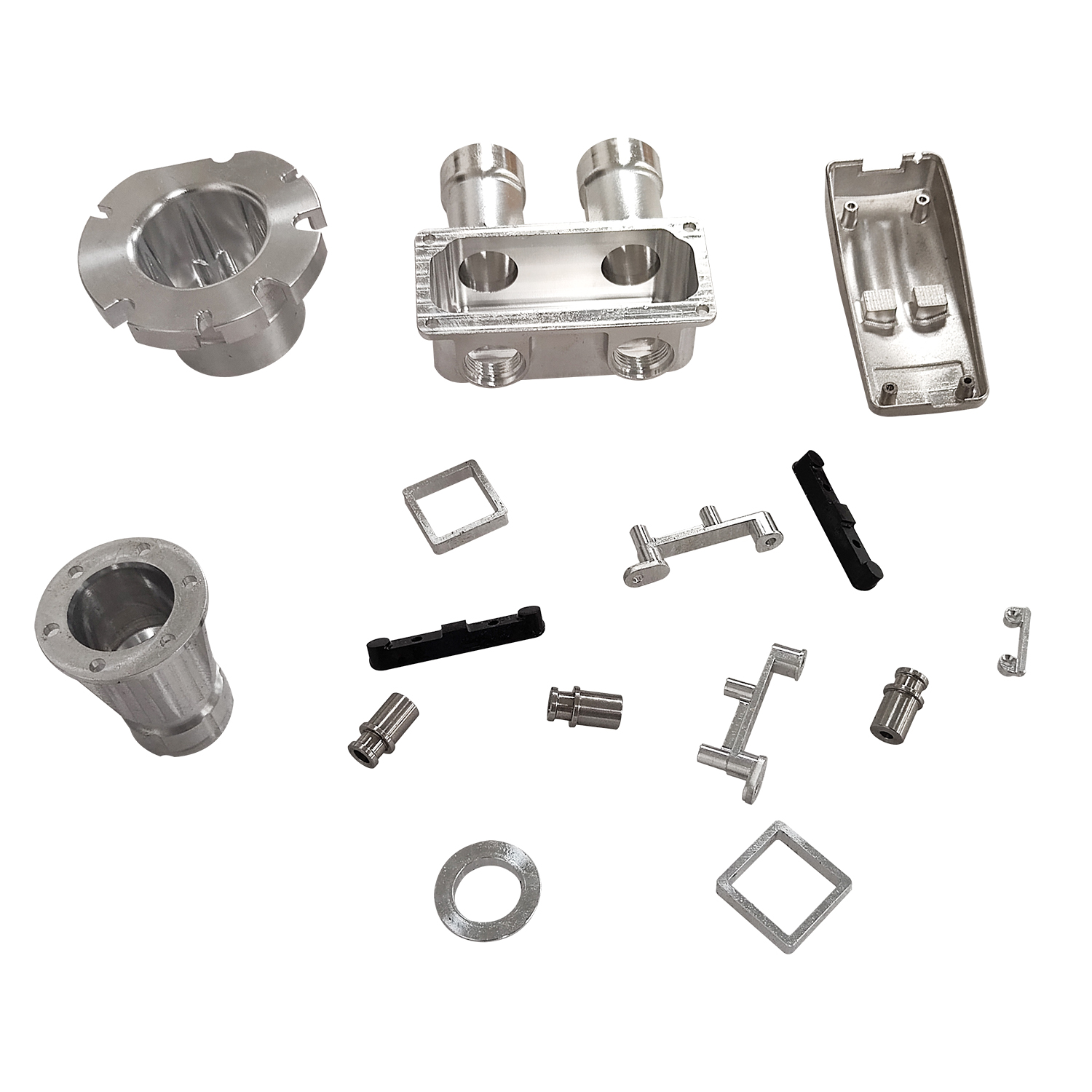
First is the logic of "Zero-Point" Reference. The biggest pain point with irregular parts is unstable fixturing and susceptibility to deformation. We never rely on universal fixtures; instead, we develop customized conformal jigging based on the part’s geometric center and stress distribution. For thin-walled components under 1.5mm, we integrate vacuum clamping and low-melting-point alloy filling technologies to transition the part from "point-loading" to "surface-area loading." The goal is singular: to completely eliminate high-frequency chatter and lock spatial surface wall-thickness tolerances within 0.01mm.
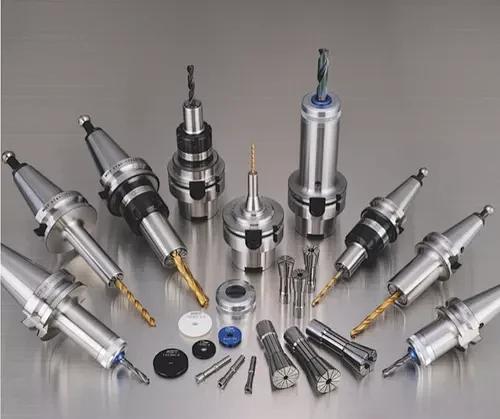
Next is the extreme tuning for "Dynamic Clearance". Irregular parts often feature deep cavities and awkward intersecting holes, making tool holder interference a constant threat. Standard processes often increase tool overhang to stay safe, but the trade-off is tool vibration and "step" marks. Our core competitiveness lies in Full-Scene Digital Twin Simulation. In a 1:1 virtual environment, we compress the clearance between the spindle tilt and the workpiece to a 0.2mm limit, allowing the shortest, most rigid tools to plunge directly into the core cavities. This aggressive optimization of equipment limits is the hard prerequisite for achieving an Ra 0.4 surface finish.
Finally, there is the closed-loop of "Stress Compensation". After heavy material removal, the release of internal stresses can cause a complex part to warp the moment it is unclamped. We don’t leave this to luck. We employ a rigorous "Roughing — Stress Relief — CMM Data Verification" workflow. We reverse-engineer and compensate the final finishing toolpaths based on actual spring-back data. In essence, we aren't machining a static part; we are machining a dynamic model that "anticipates" its own deformation. This pre-compensation technology is the only path to ensuring long-term stability in spatial position tolerances.

In the world of high-precision machining, the winner is determined by who controls the risks before the spindle starts turning. YONG'EN FORMING exists to transform "high-risk components" into high-yield, standardized products through this rigorous, closed-loop methodology.
If you are facing bottlenecks such as loss of precision in complex geometries, clamping deformation, or structural interference, please contact us. At YONG'EN FORMING, we provide more than just capacity; we deliver the certainty required to solve the most difficult geometric challenges.