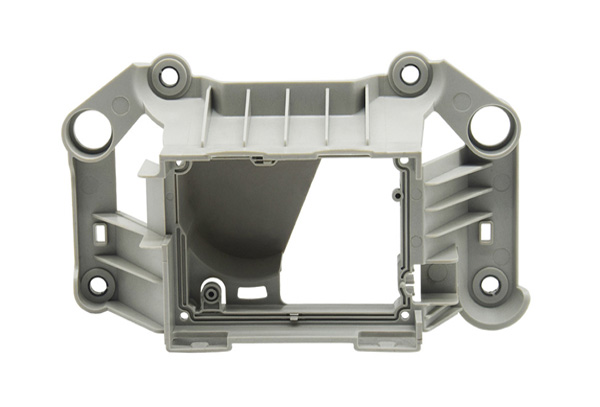
In aerospace, microwave communications, and high-end thermal management, part designs are moving toward lightweight integration. These components often feature dense cooling fins, ultra-thin walls, and deep internal cavities with high aspect ratios. Thin-wall CNC machining is a significant technical challenge, as materials are prone to elastic deformation and vibration under cutting forces, which can compromise dimensional accuracy and surface finish.
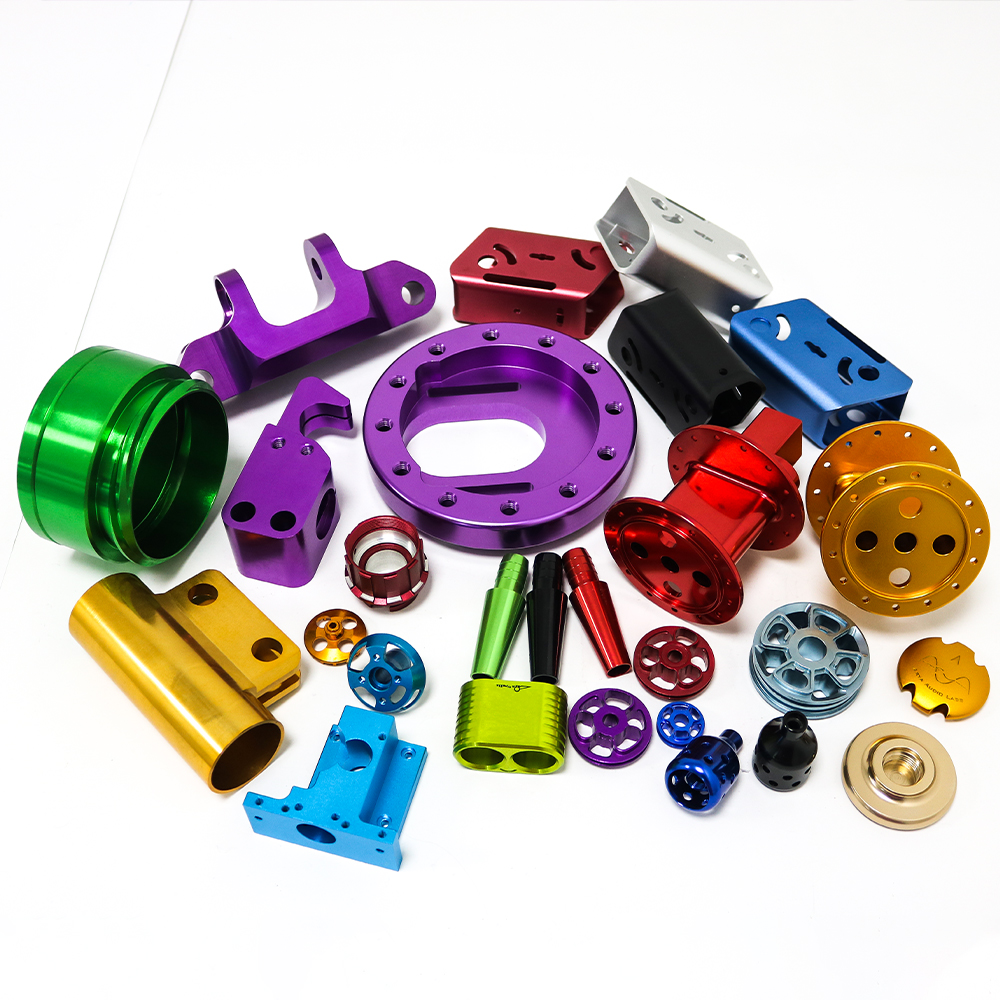
The key to mastering thin-wall components lies in controlling residual stress. With over 20 years of manufacturing experience, we utilize symmetrical tool paths combined with high-speed, low-depth-of-cut strategies. We consistently maintain wall thicknesses of approximately 0.5mm in aluminum parts without warping. This precision ensures that components like microwave housings and precision enclosures meet the required flatness for critical assembly.
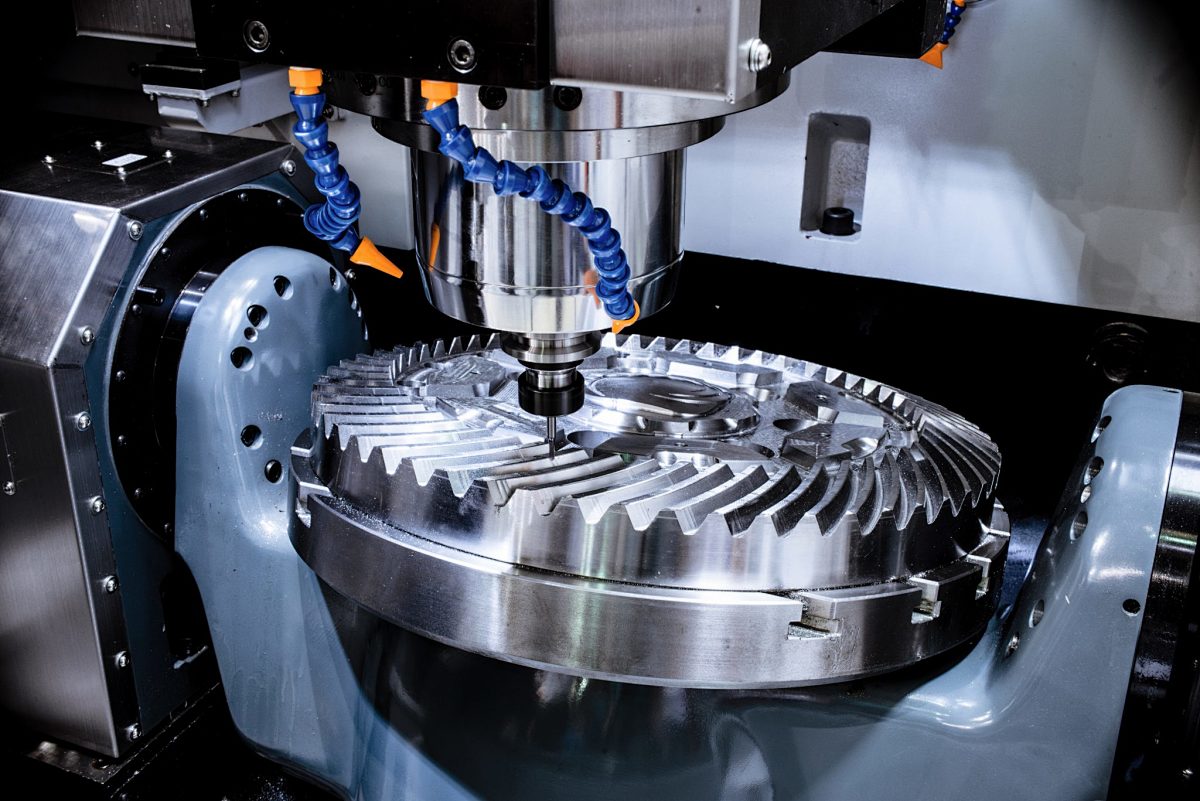
When handling deep cavities and complex geometries, traditional 3-axis machining has clear limitations. Long-reach tools used in 3-axis setups are prone to deflection and vibration, often leading to rejected parts. To improve output quality, we utilize 5-Axis Simultaneous CNC Machining centers. By tilting the spindle, our engineers can use shorter, more rigid tools to reach deep features. This approach significantly enhances surface finishes at the base of cavities and maintains the necessary perpendicularity between deep features and sidewalls.
Take a recent integrated fluid manifold project as an example. These parts feature intersecting internal channels that require high airtightness. Using our 5-axis milling technology, we completed all complex internal clearing in a single setup. This process minimizes the cumulative errors typical of secondary fixturing and improves production efficiency. For our clients, this ensures part consistency and highly controllable lead times.
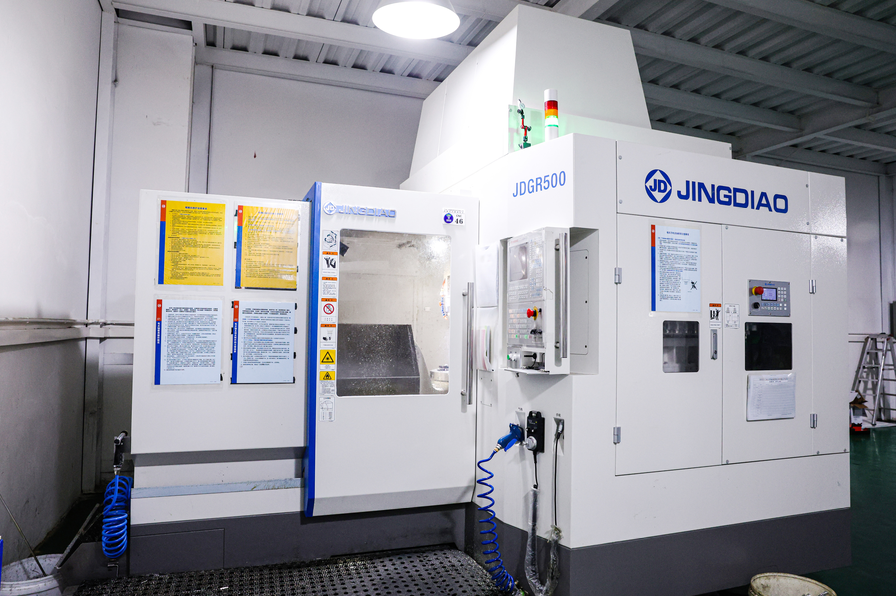
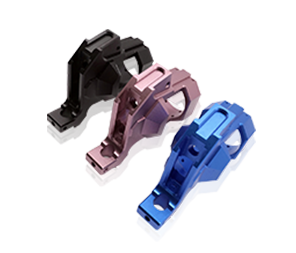
Machining accuracy is only the first step; surface finishing for thin-walled parts requires precise control. To prevent chemical erosion from affecting wall thickness, we strictly monitor the timing and chemical concentration during hard-anodizing. This ensures the part gains a durable protective layer while remaining within its specified design tolerances—critical for the stability of precision instruments and cooling modules.
To verify quality, every complex component is inspected using Coordinate Measuring Machines (CMM). By comparing real-world measurements against the 3D model, we ensure every critical dimension falls within the allowed tolerance range. Based in Shenzhen for 20 years, we focus on solving production difficulties for irregular parts, using mature 5-axis technology to turn your industrial designs into high-quality finished products.