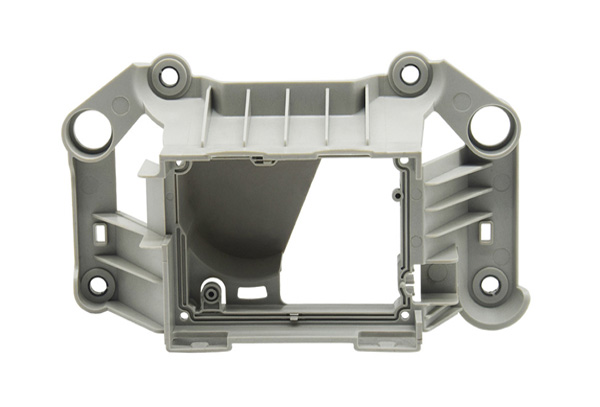
Customers often bring in drawings and ask the same question: for the same workpiece, why do we recommend wire EDM here and sinker EDM there? Both are electrical discharge machining, yet the price and lead time can differ significantly. Behind this question lies a fundamental difference between the two processes.
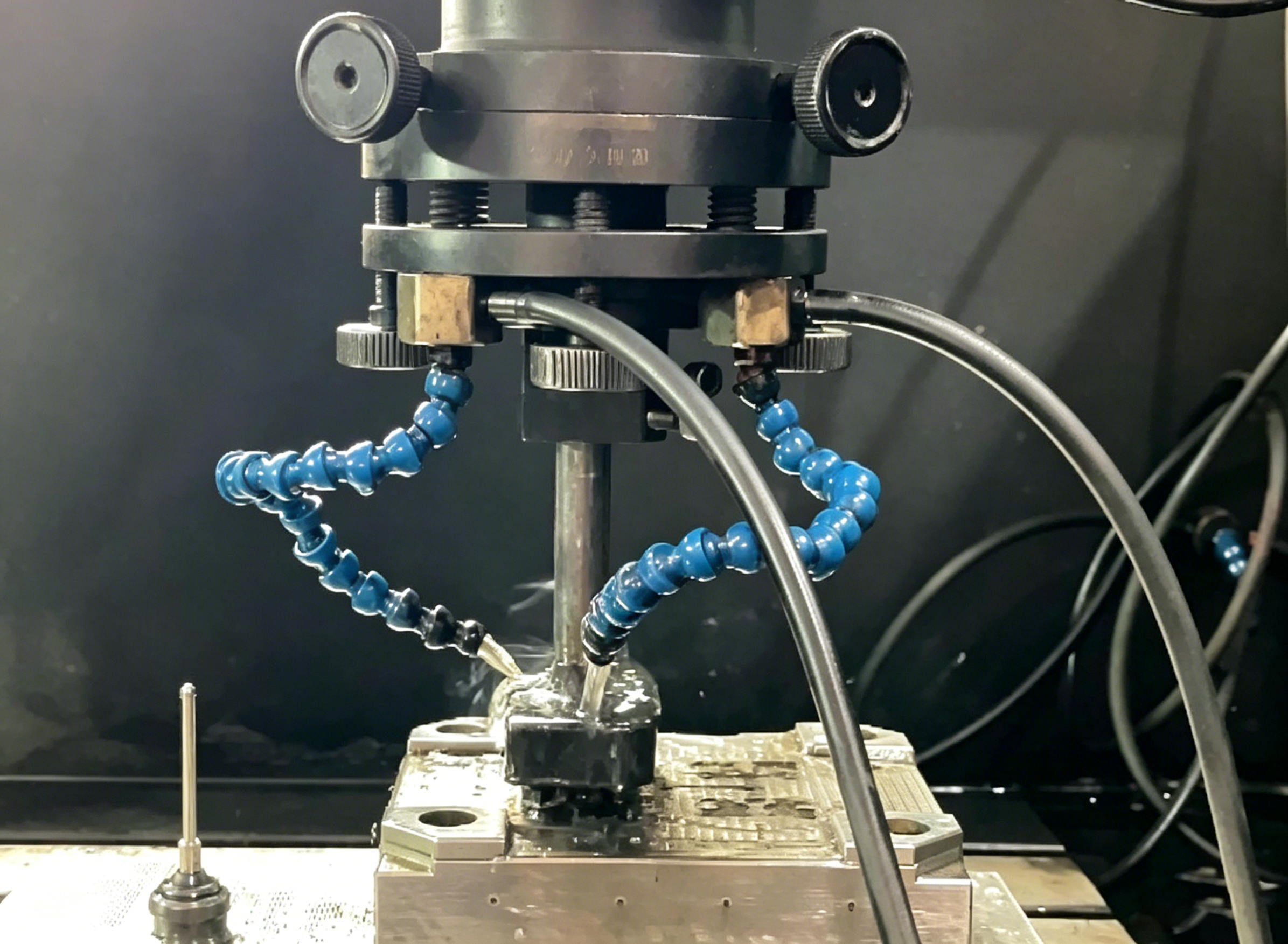
Different tool forms, different capabilities
Wire EDM uses a continuously moving molybdenum wire, essentially functioning like an endlessly renewing "wire saw." It can only cut from the edge of the material and follow a two-dimensional profile. So for any through-cut job—whether it's a die cutting edge, an irregular through-hole, or a slit as narrow as 0.1 mm—our high-precision wire EDM machines can cut straight through in one pass, holding dimensions to the micron level.
Sinker EDM is a different story. It uses a formed electrode, much like a precision stamp, that can plunge directly into the workpiece. Blind holes, deep cavities, and internal splines on a customer's drawing—features that wire EDM simply cannot access—are precisely where sinker EDM comes in. The electrode is shaped to match the desired geometry and then pressed into the workpiece. Our mirror-finish sinker EDM machines can achieve cavity surface finishes down to Ra 0.2, eliminating the need for subsequent polishing.
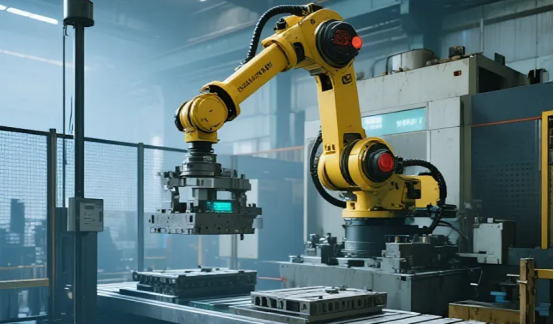
Different accuracy logic—don't measure one by the other's strengths
Wire EDM maintains high precision over long runs because fresh wire is constantly being fed through, diluting wear in real time. Every pass stays consistent. Sinker EDM, by contrast, experiences electrode wear as it cuts, meaning accuracy degrades with machining depth.
This is why, for high-precision molds requiring consistent cavities, we typically recommend wire EDM for critical profiles to ensure repeatability, and sinker EDM for deep cavities, using multiple electrode changes to compensate for wear. Conversely, when it comes to forming a deep, irregular cavity in one go, sinker EDM far outperforms wire EDM—there's no need to cut around the perimeter, you just sink the shape directly. Neither process does it all. The decision comes down to workpiece geometry and how the two methods can work together.
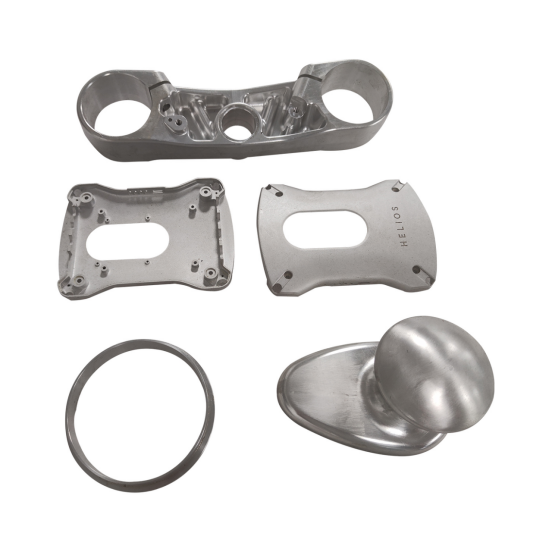
Know the application, quote it right
For through-cut profile parts, wire EDM is the optimal choice—precision and surface quality are achieved in a single step. For blind holes, deep cavities, internal splines, and other features wire EDM cannot reach, sinker EDM is the answer. With both types of equipment in our shop, we map out the process route based on the actual structure of the part: which step uses which method, and why the quote breaks down the way it does. Through-cut jobs go to wire EDM, non-through features go to sinker EDM. Put speed where speed is needed, precision where precision matters—and that's how lead time and cost stay under control.
Have a machining need? Contact us anytime. We're online and ready to respond 24/7.