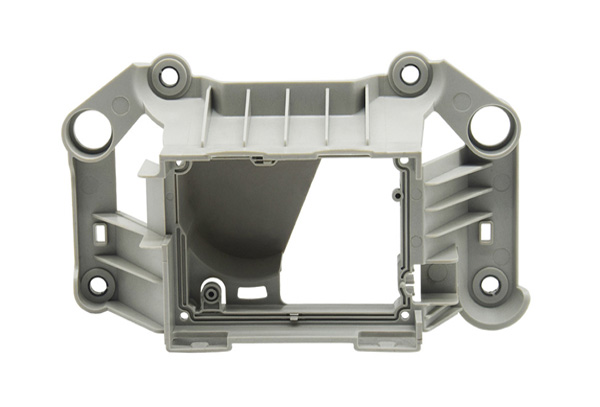
In new energy product development, speed and flexibility are essential. Before investing in production tooling, manufacturers often use 3D printing to verify designs and CNC machining to produce functional prototypes and low-volume parts.
This combination helps reduce development risks, shorten lead times, and accelerate product launch.
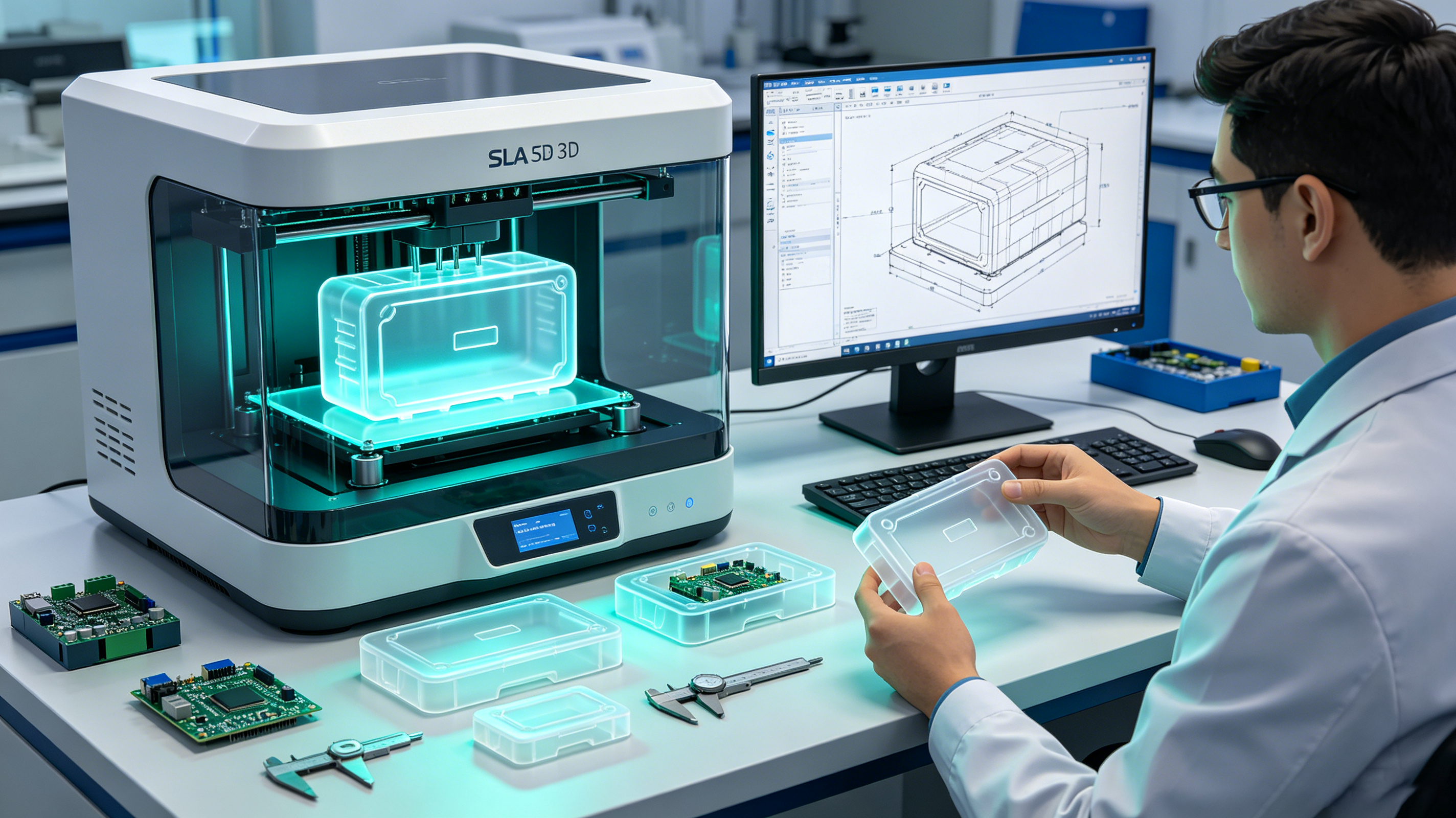
During the early stages of development, engineers need physical models to evaluate dimensions, internal structures, and assembly fit.
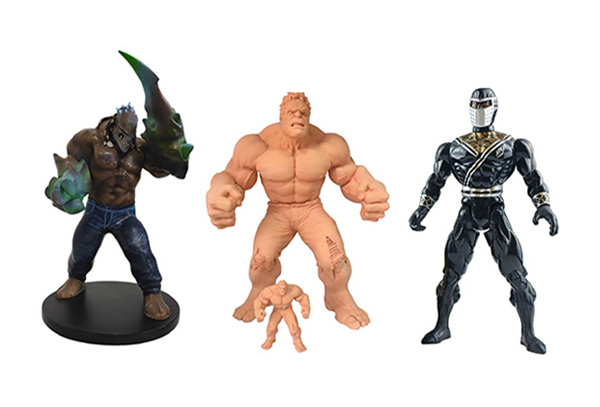
In a controller housing project, we produced several SLA 3D printed prototypes for design verification. The customer was able to test assembly and optimize the internal layout before moving to metal production.
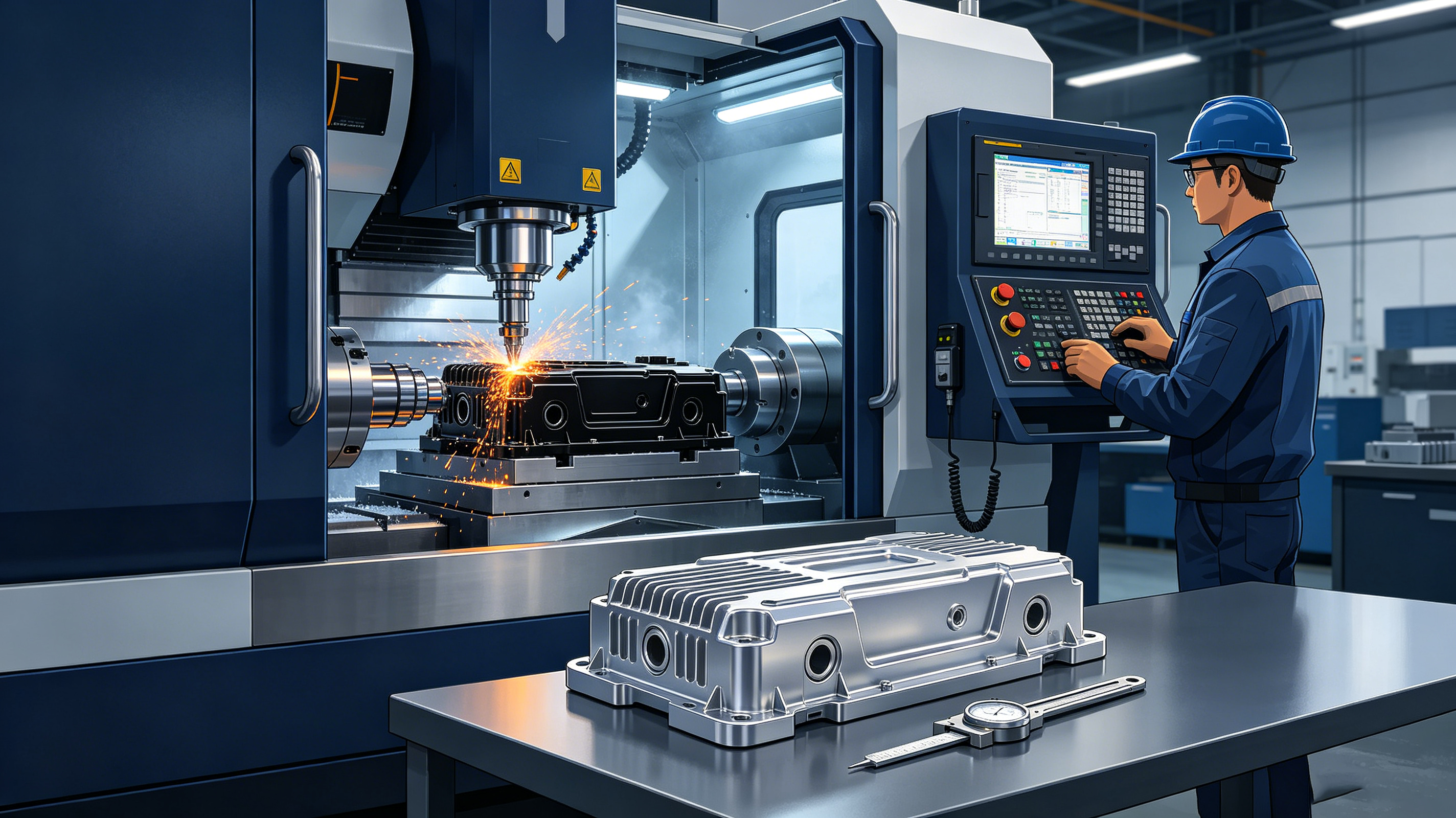
After the design was finalized, the project moved to CNC machining using aluminum alloy.
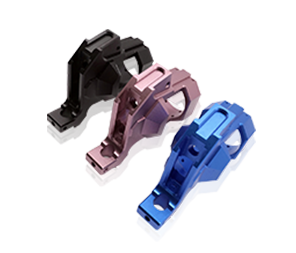
The housing, mounting features, and sealing surfaces were machined according to engineering specifications, allowing the customer to conduct mechanical and assembly testing using production-grade material.
Following machining, all parts were deburred, sandblasted, and anodized.
The finished components closely matched the appearance and performance of the final product, helping the customer complete validation before pilot production.
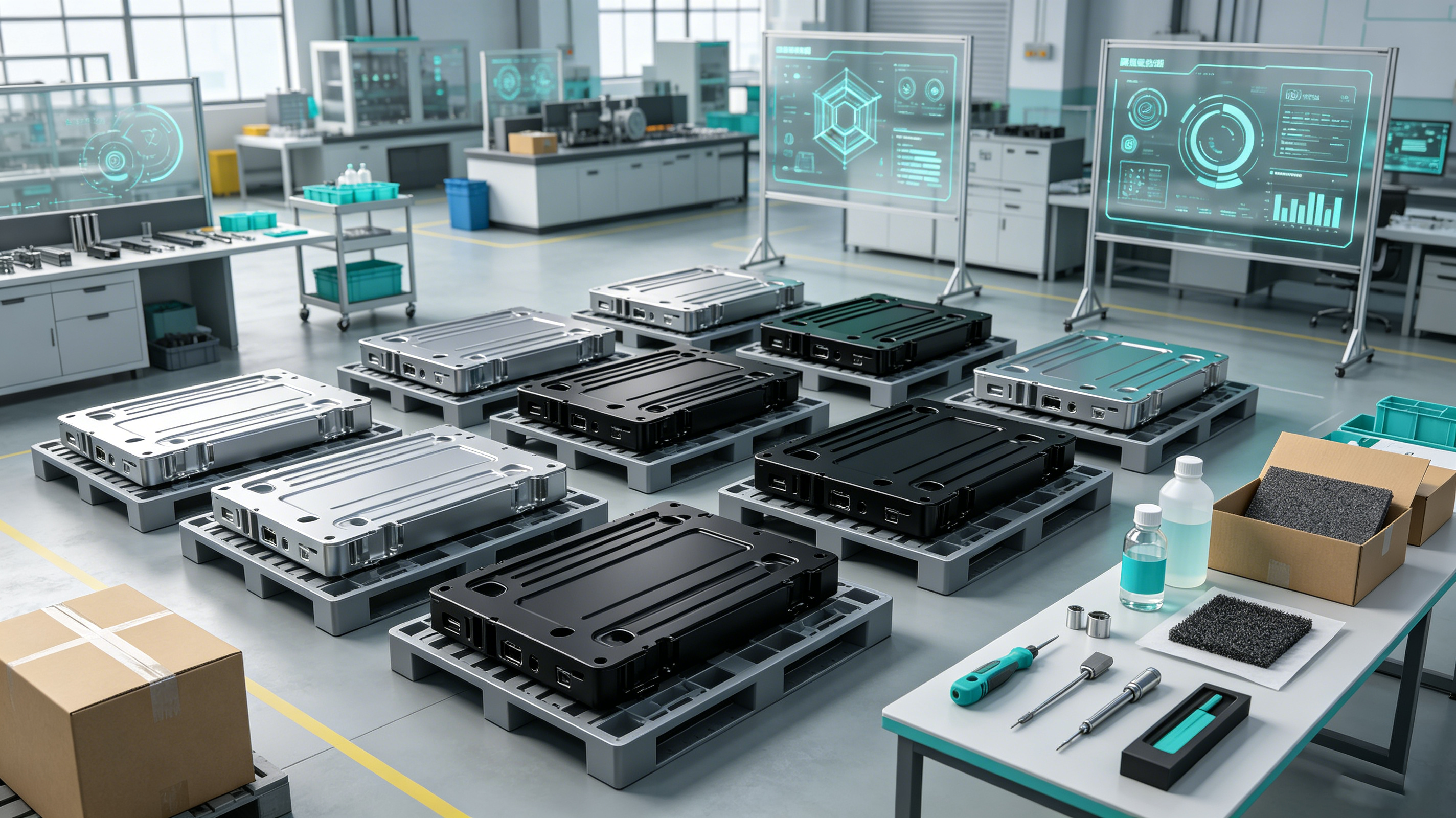
Once testing was completed, the project entered low-volume manufacturing.
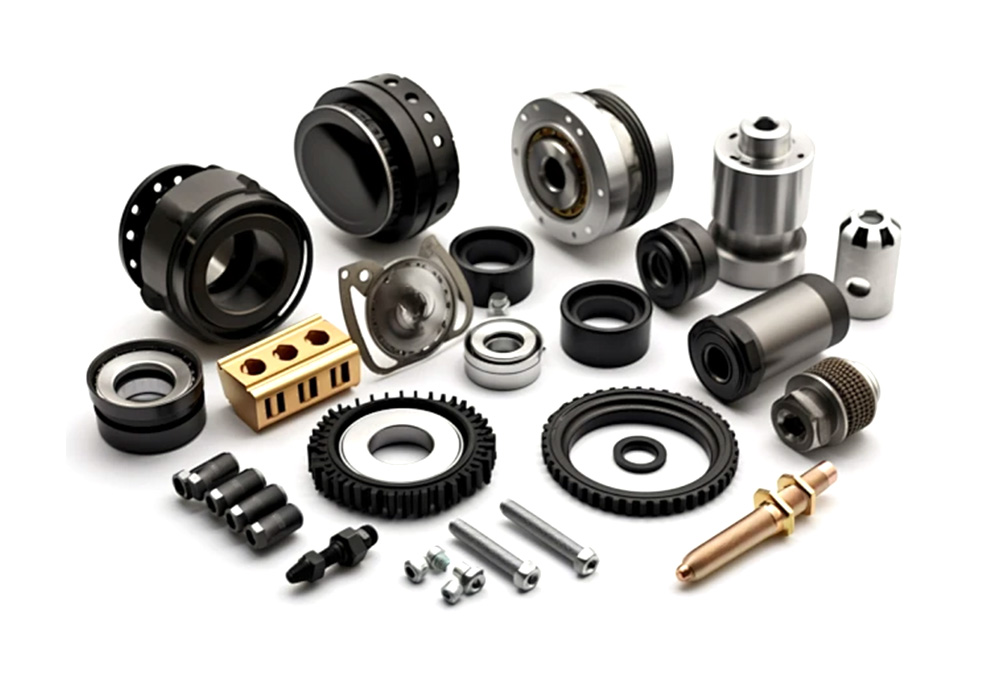
CNC machining provided the flexibility to produce dozens to hundreds of units while maintaining consistent quality and allowing future design updates.
Combining 3D printing, CNC machining, and surface finishing creates an efficient path from concept to production.
For new energy equipment, energy storage systems, and industrial products, this approach helps shorten development cycles and reduce manufacturing risks.