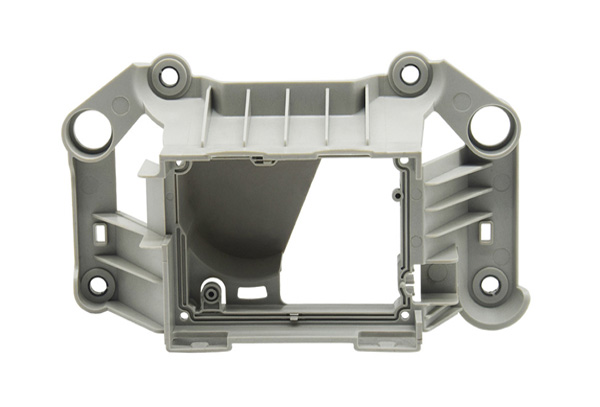
Have you noticed how many households now own a 3D printer? These devices are no longer rare novelties for geeks; they have become the "new favorites" in many home offices.
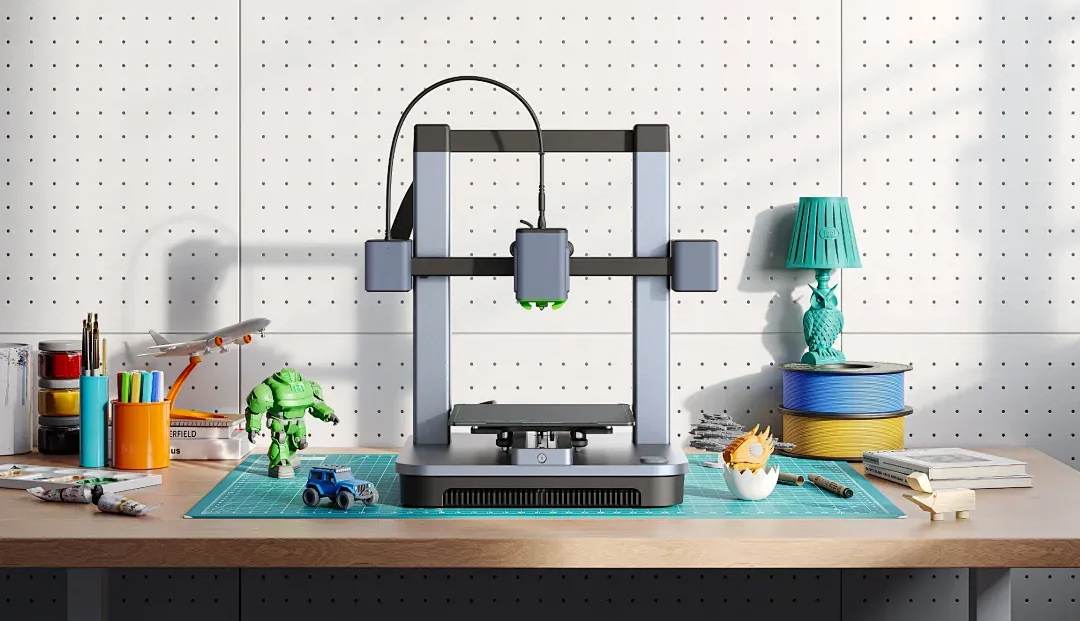
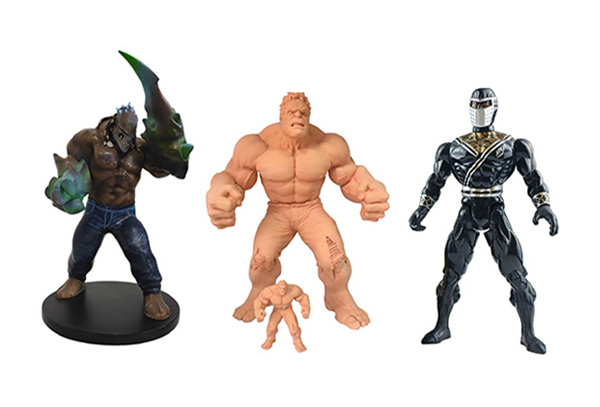
For many, the dream of creation begins with a small 3D printer on a desk. Home hobbyists are no longer satisfied with buying off-the-shelf toys; they have become "home creators." Whether a child wants a custom Rubik’s cube styled with mecha patterns, or you want to craft an ergonomic accessory perfectly fitted for your pet, all it takes is a cloud-downloaded model for the print head to begin its precise dance across the material. These DIY projects aren't just about meeting basic needs—they turn personal ideas into reality. This shift from "buying parts" to "making parts" has brought micro-production stations within reach.
When this logic of "additive creation" moves from the desktop to the factory floor, the energy it releases significantly boosts production efficiency in complex industrial scenarios.

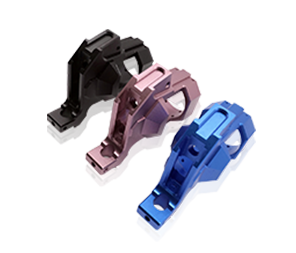
In our modern factory, this capability is pushed to the limit. We no longer struggle with dead ends that traditional drill bits cannot reach, nor are we restricted by the complexities of mold splitting. For instance, in high-performance industrial cooling, we use 3D printing to create internal structures similar to "human capillaries." These complex, conformal cooling channels allow the coolant to stay close to the heat core for comprehensive heat exchange. In the past, this required welding dozens of separate parts, carrying a high risk of leakage. Now, our industrial-grade metal printers allow dense metal powder to "grow" into a single, integrated unit with one click.
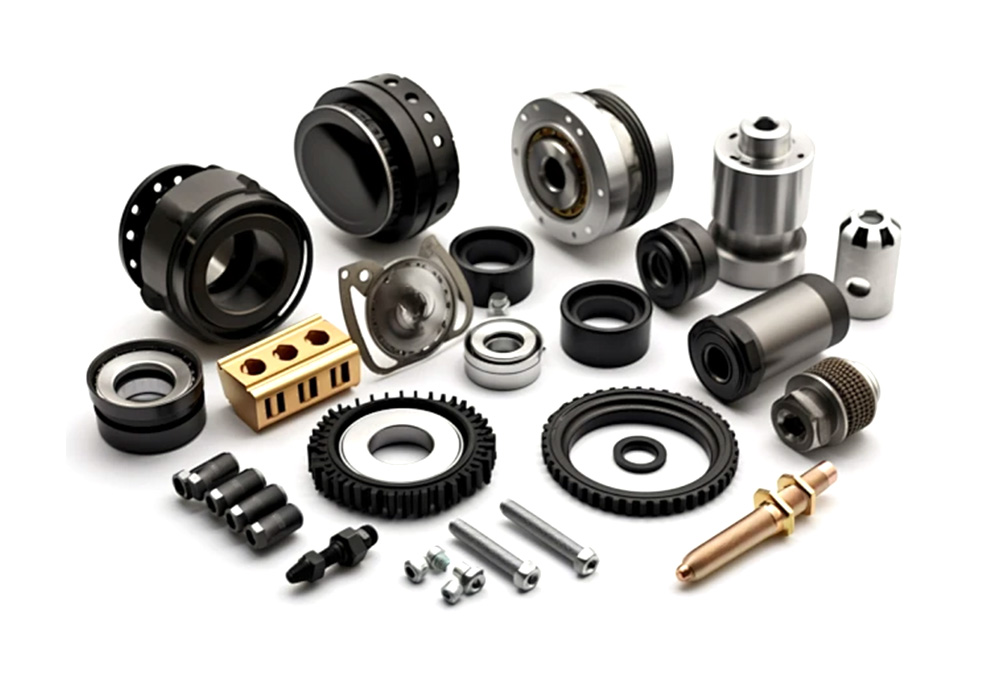
This leap in capability allows heavy mechanical components to function like biological skeletons—dense where strength is needed and hollow where it is not. Without sacrificing any durability, we have successfully reduced the weight of large hydraulic manifolds by over 40% and shortened the mold-opening cycle from months to just days. This "data-driven production" power grants us true "manufacturing freedom" when handling high-difficulty orders like precision pump bodies or customized sensor housings.
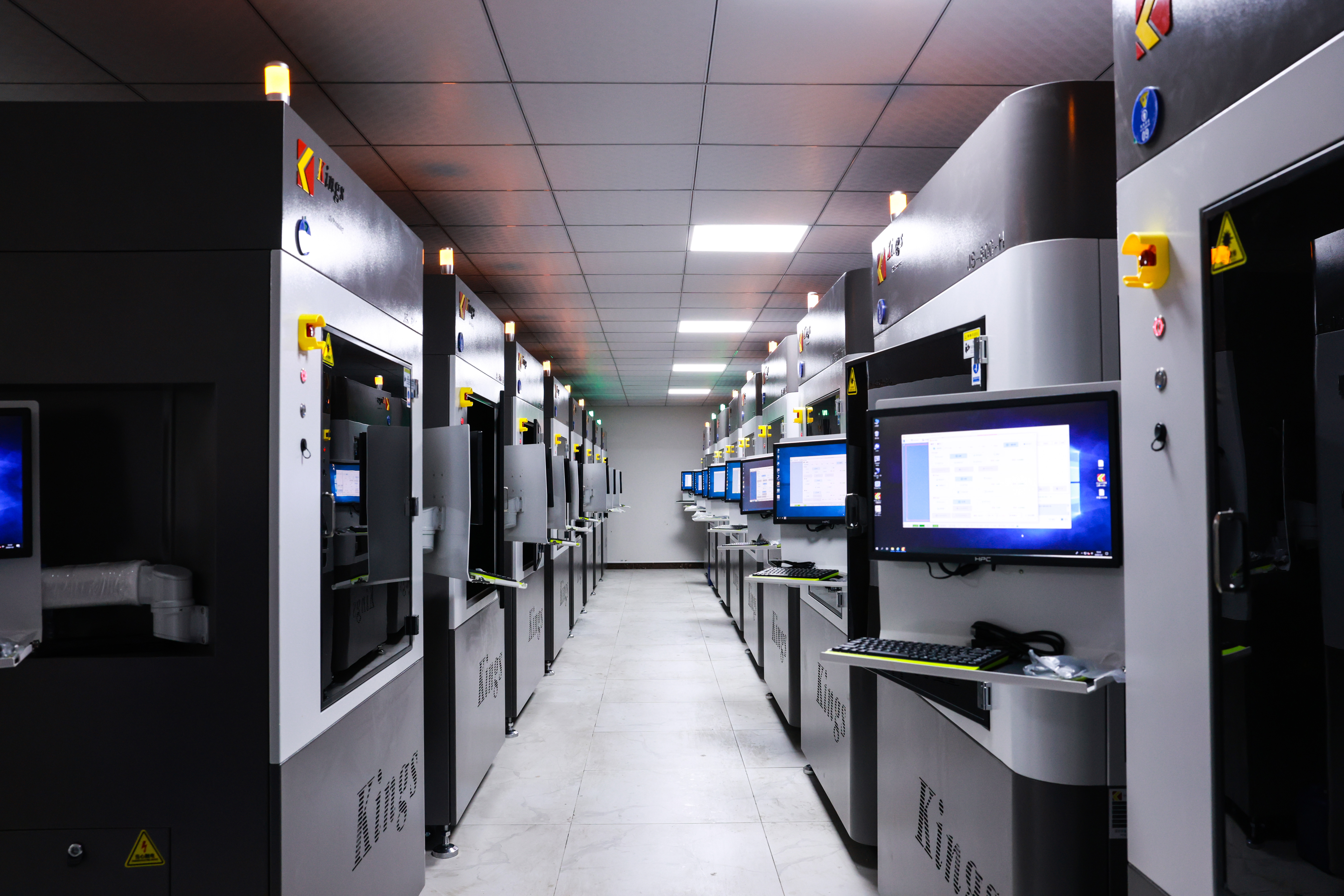
As a long-standing leader in additive manufacturing, our factory's strength lies not only in the scale of our industrial-grade equipment but also in our full-service workflow, from material formulation to topological optimization. We understand that behind every industrial pain point lies a challenge to the limits of manufacturing.
If you are facing structural challenges that traditional methods cannot solve—or if you have a disruptive product concept hindered by complex mold designs—please contact us. We will use our core industrial 3D printing technology to break the shackles of manufacturing and turn your designs from a screen into reality.