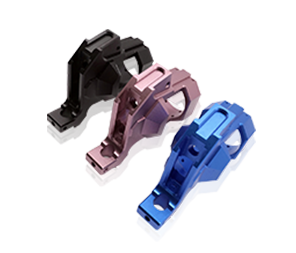
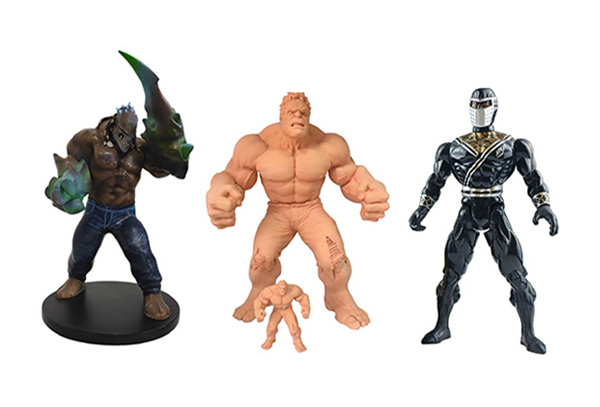
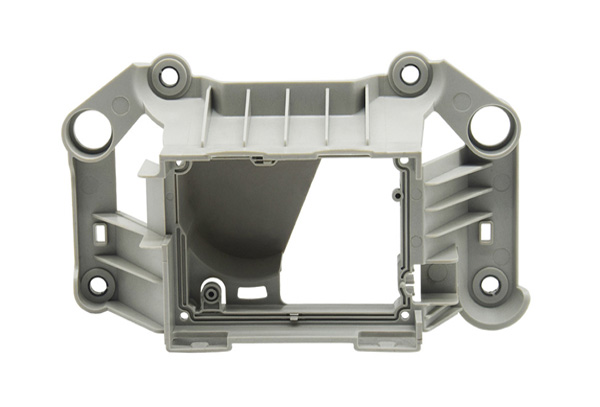
If you’ve ever tried to replicate a razor-thin, complex aluminum housing from a game, only to find the finished part warped or covered in tool marks, you know the frustration of "failed reality." Those sleek deep cavities and curved surfaces are a nightmare for standard 3-Axis machines—the tool simply can't reach, the angles won't align, and the aluminum deforms the moment you cut too deep.
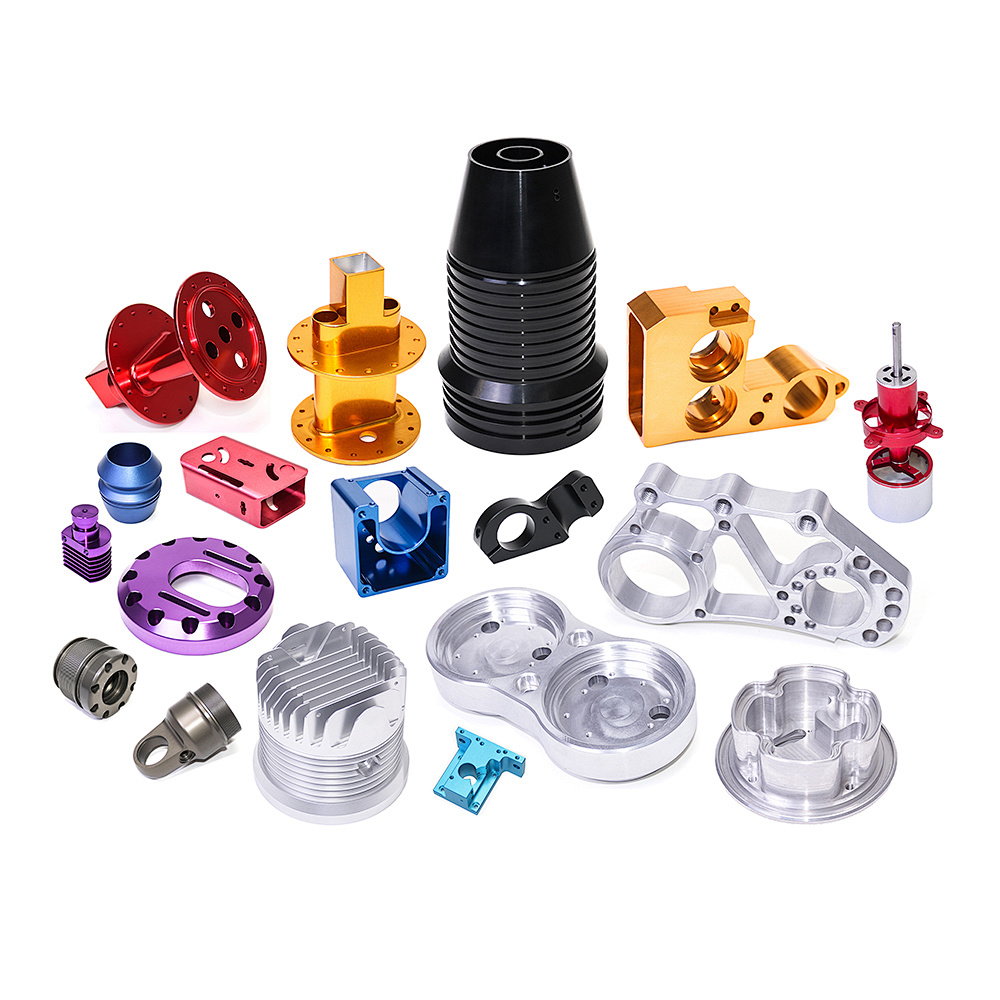
3-Axis machining is the foundation, but for complex parts, it’s like a rigid robot that only moves in straight lines. When facing inclined holes or side walls, you're forced to repeatedly flip and re-clamp the part. Every time you touch that fixture, the 0.02mm cumulative error brings you one step closer to the scrap bin. You want industrial aesthetics, but 3-axis physical dead zones often turn parts into junk at the assembly stage.
This is where 5-Axis Linkage machining breaks the ceiling of imagination. Instead of making the part adapt to the tool, the spindle cuts at any spatial angle. This one-stop processing logic means going from blank to finished part in a single clamping, completely eliminating positioning errors from flipping and ensuring that complex cavities are as precise as if they were "born" that way.
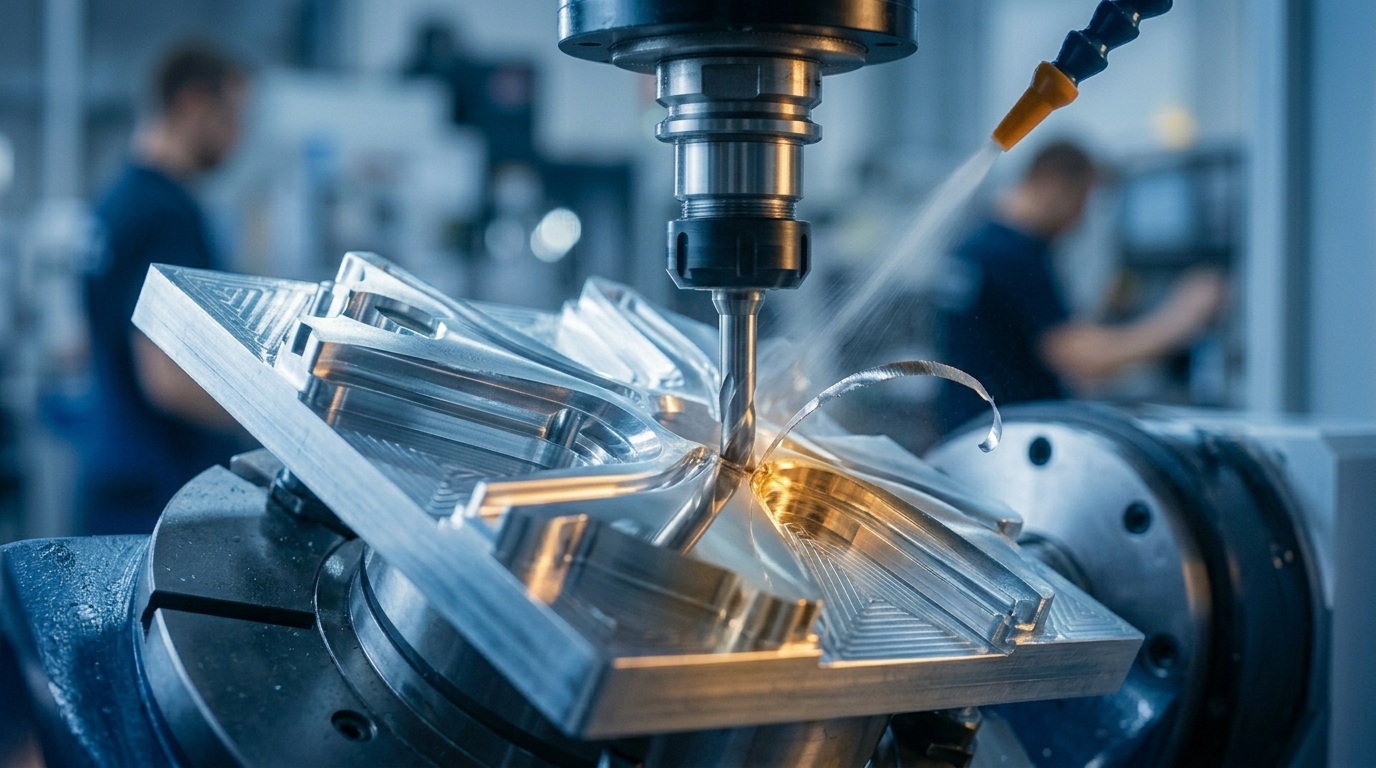
For aluminum, the real value of multi-axis machining lies in the real-time optimization of the cutting vector. A 5-axis machine ensures the tool tip remains perpendicular to the surface. When processing impellers or bionic flow channels, it can achieve a mirror finish of Ra 0.4μm directly on the machine, ditching low-end manual polishing that rounds off sharp edges.
The logic is simple: multi-axis handles the depth the tool can't reach, while precision handles the "dignity" of the fit. For ultra-thin walls below 0.5mm, multi-axis linkage combined with high-speed cutting allows heat to fly away with the chips. This obsession with "Simi-level" (0.01mm) tolerance ensures that even the most "anti-human" precision parts fit perfectly.
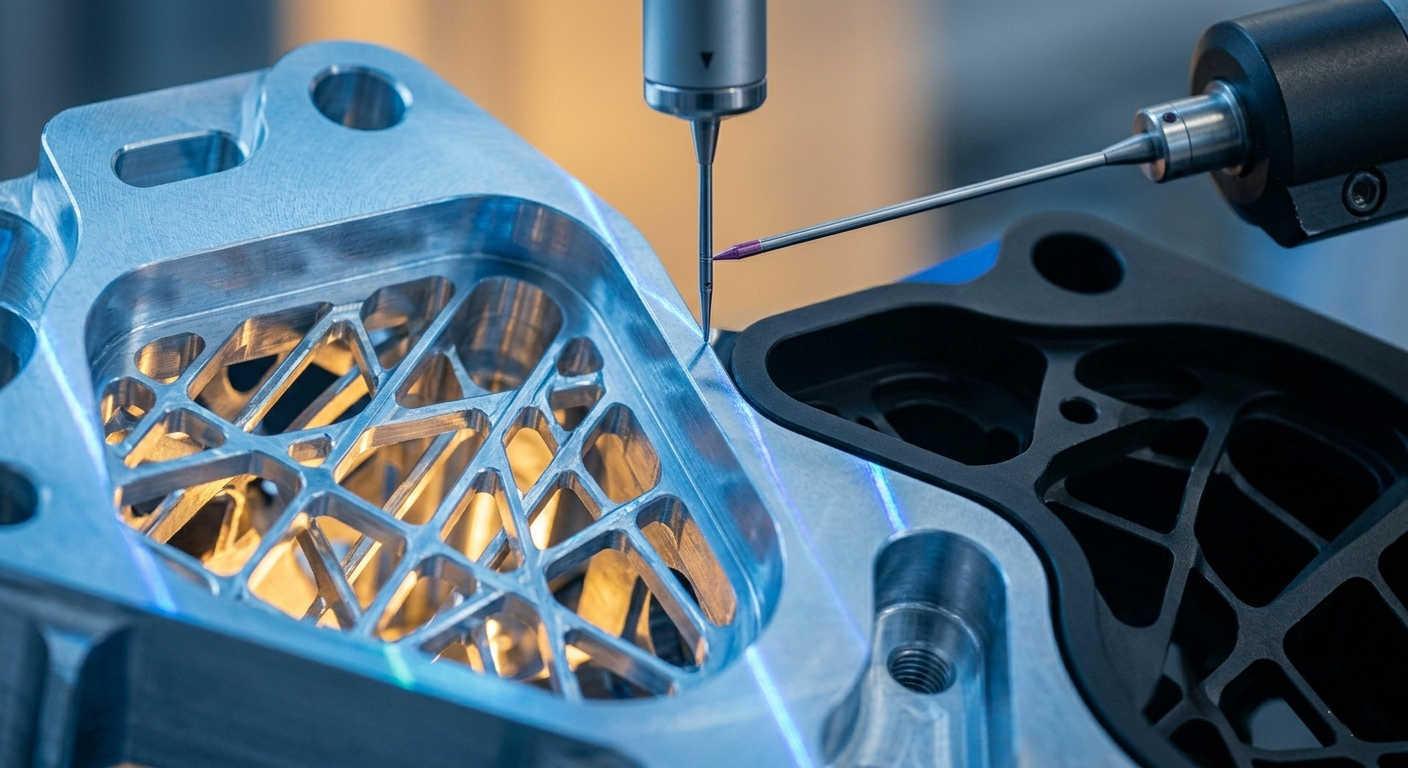
Here’s a case from our factory, YONG’EN: A precision aviation sensor housing with intersecting inclined deep holes and a wall thickness of only 0.7mm. We used high-precision 5-axis centers and anti-vibration long-shank tools to complete all complex surfaces in one go. The concentricity of all holes was strictly controlled within 0.01mm, solving an assembly headache that had plagued the client for six months.
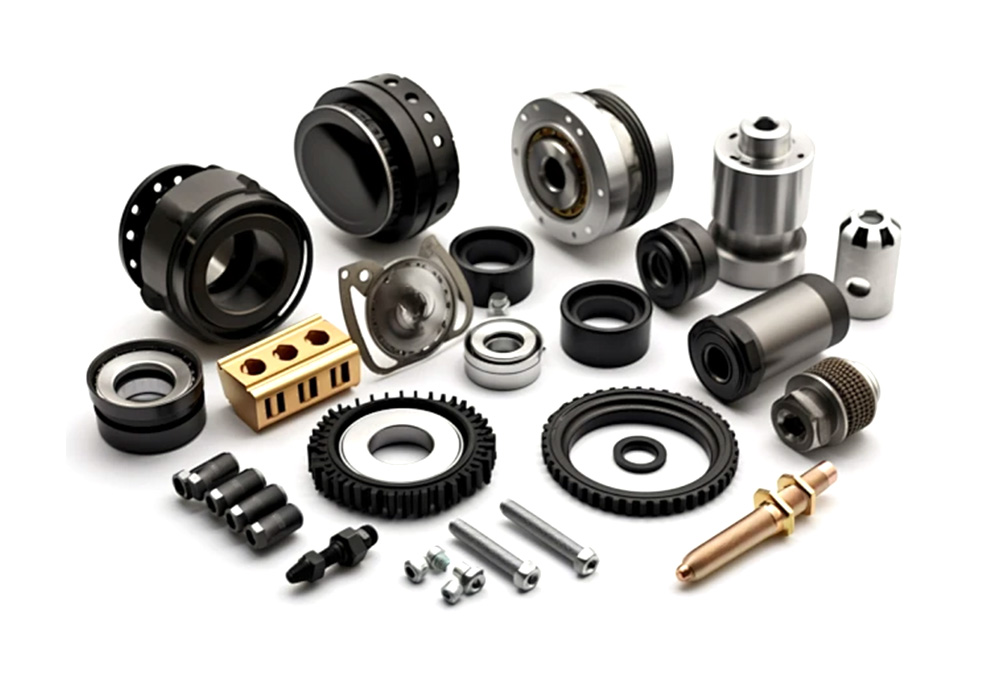
YONG’EN has specialized in precision machining , equipped with top-tier 5-axis clusters. Whether it’s high-strength joint seats for humanoid robots or complex Body-in-White (BIW) prototypes, we rely on deep muscle memory of multi-axis processes. With 26 years of experience, we turn "impossible" blueprints into precise, solid industrial reality.