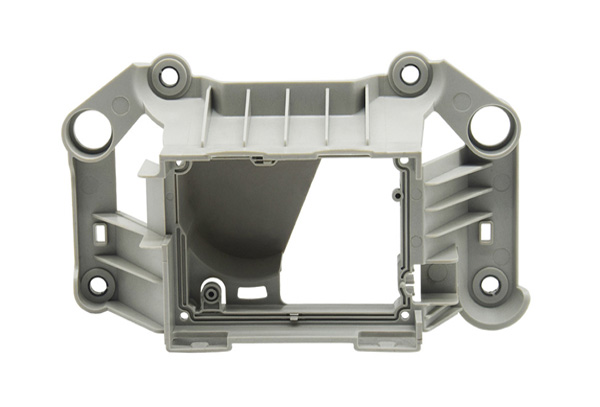
Many engineers come up with designs featuring flawless functionality and outstanding performance, yet upon submission to CNC machining, casting or injection molding suppliers, they get turned down outright. These parts cannot be manufactured not due to insufficient technical capacity, but because geometric constraints inherent to traditional manufacturing processes block production.
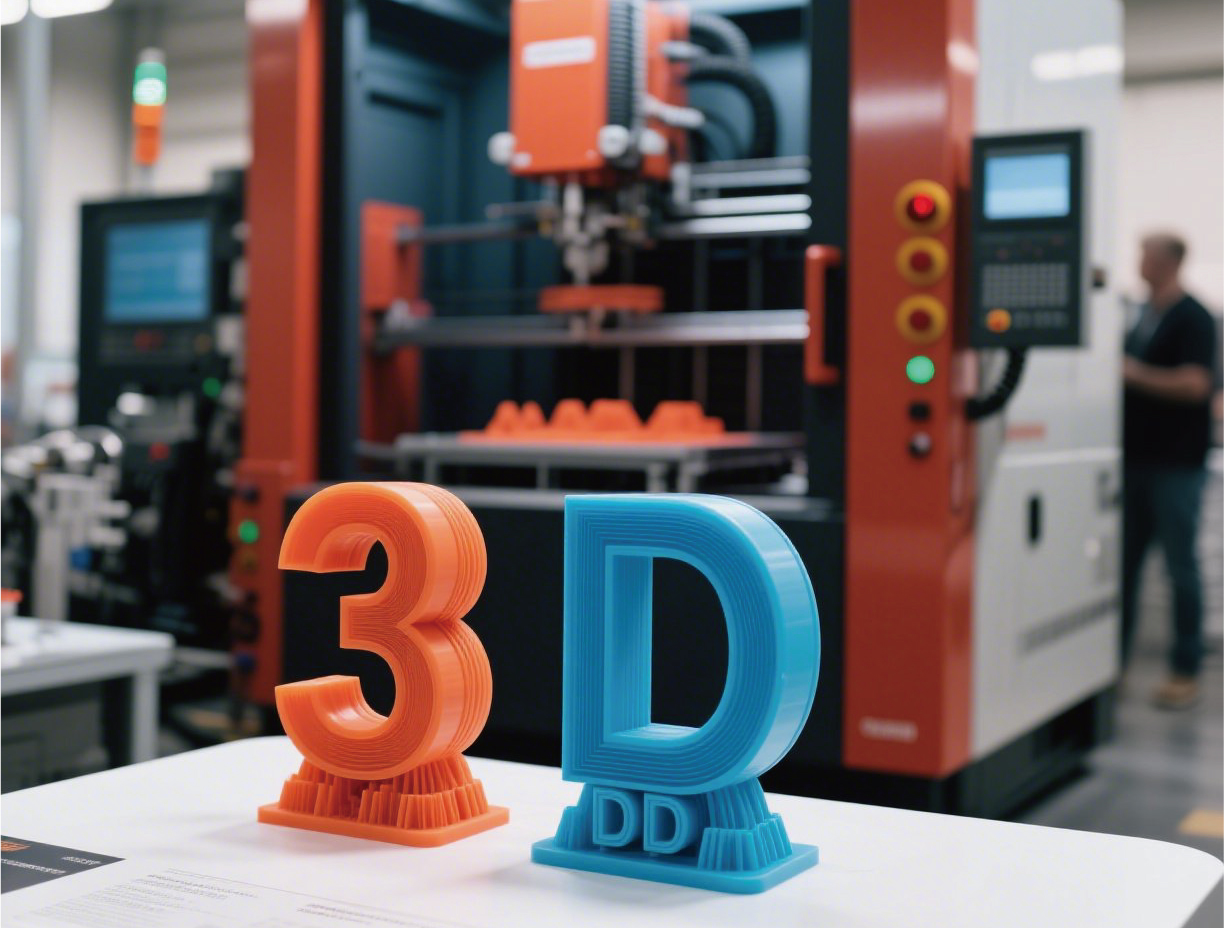
The core value of 3D printing lies not in competing with conventional methods on cost or production speed, but in tapping into design territories inaccessible to traditional fabrication.
As mold designers well know, cooling efficiency rises when cooling passages run closer to and follow the contour of mold cavities. Conventional drilled holes can only follow straight paths with restricted turns, making complex curved profiles impossible to realize. By contrast, 3D printing fabricates cooling channels freely curving to closely conform to cavity outlines. Proven field results show over 30% reduction in cooling cycle time and doubled mold service life, a feature unachievable via any other manufacturing technique.
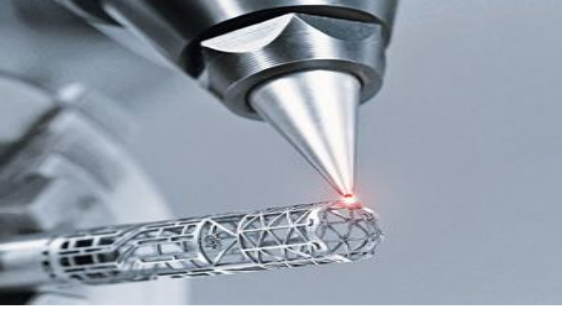
Orthopedic implants require trabecular-like porous geometry to facilitate osseointegration; aerospace components demand maximum weight reduction without sacrificing structural integrity. Conventional processes fail to produce internally perforated parts with consistent mechanical properties. 3D printing directly manufactures customizable lattice structures with controllable density and calculable load-bearing strength. Certain parts can consist of 90% void space while retaining reliable load capacity.
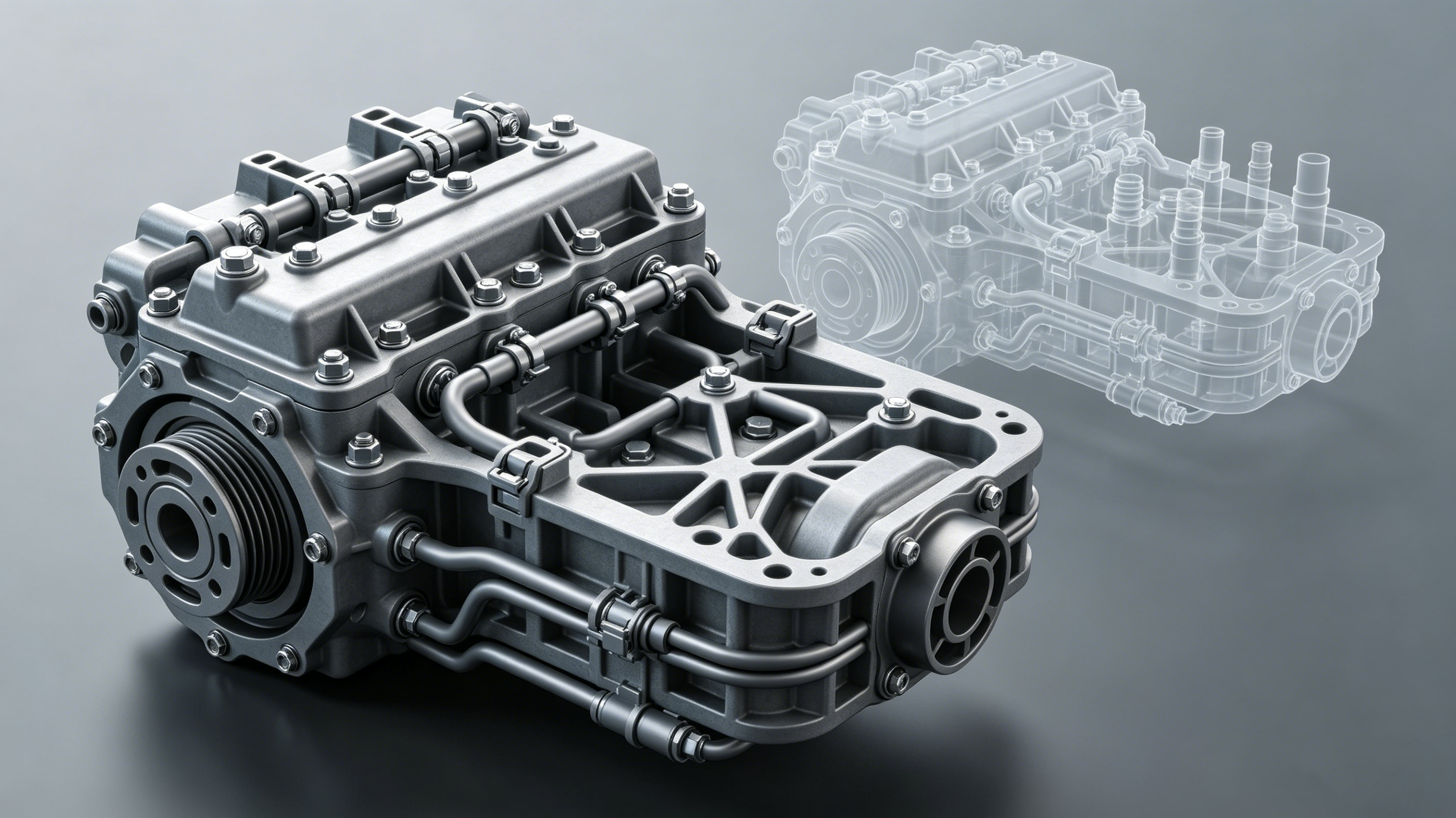
Assemblies conventionally assembled by welding or riveting over a dozen separate components suffer from assembly clearances, leakage risks and excess dead weight. 3D printing consolidates fasteners, snaps and internal piping into a single monolithic piece in one build, cutting weight, eliminating assembly work and eradicating potential leakage points.
If you hold a design that can be drafted yet cannot be produced via standard manufacturing, do not discard it hastily. Send your 3D models to us for a feasibility assessment. We will give a clear verdict on printability and specify the exact limiting factors should fabrication prove unworkable.