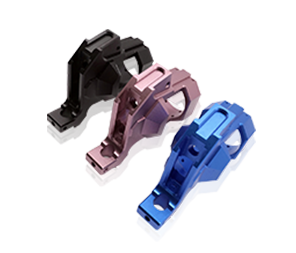
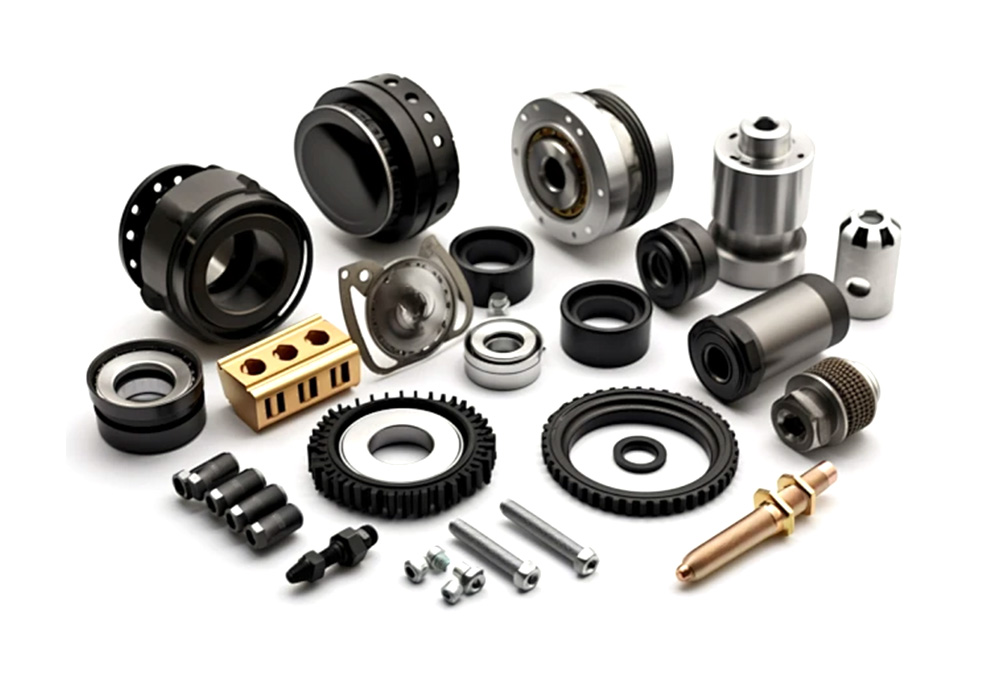
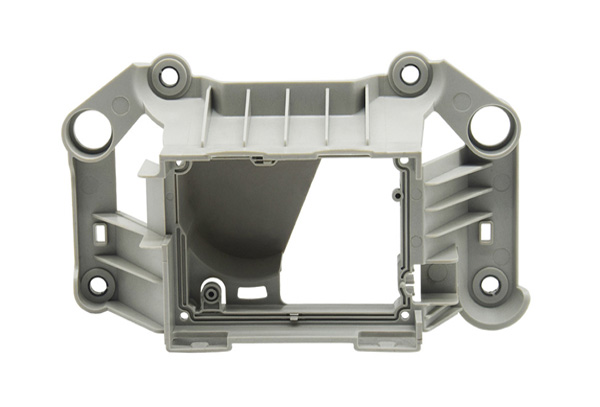
Core products in upstream sectors including robot bodies, refrigeration compressors and automated equipment all rely on critical CNC-machined components as their backbone. Parts such as flange plates, valve plates, harmonic reducer housings and motor end caps may seem insignificant, yet a tiny precision deviation can drastically degrade the overall performance of the entire machine.
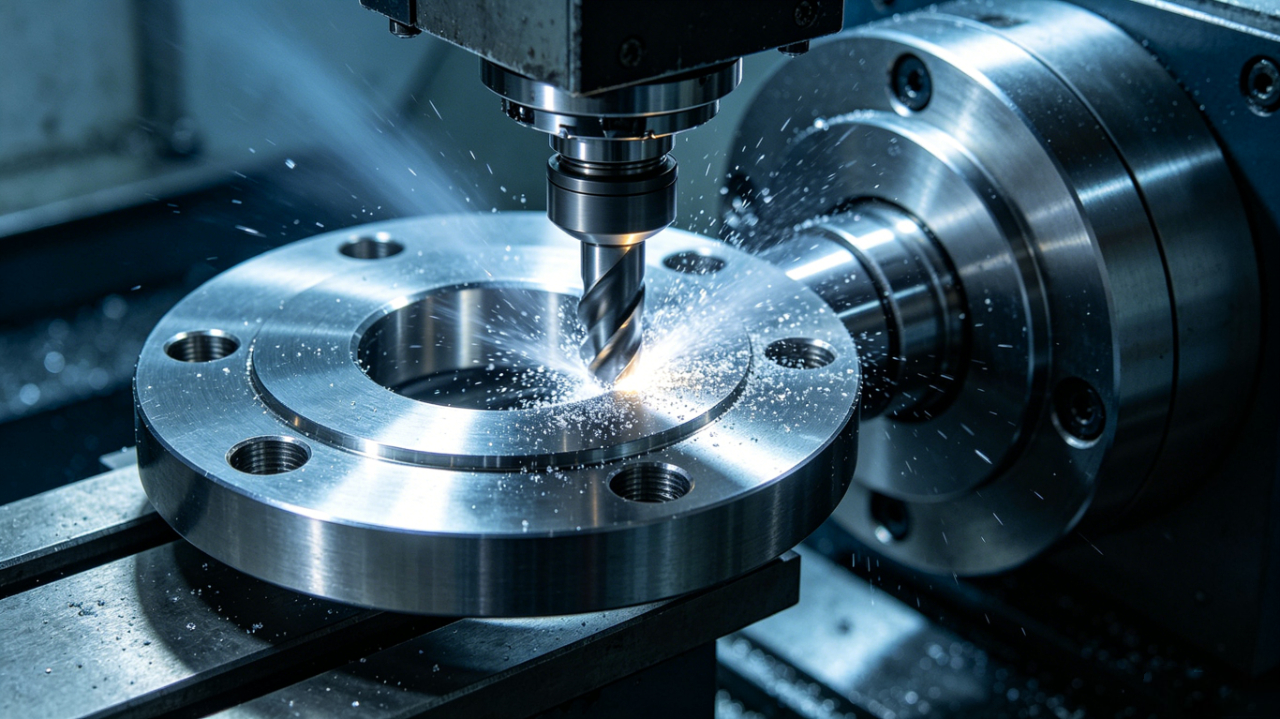
We once produced a batch of flange plates for a collaborative robot brand, designed for joint modules to connect harmonic reducers and output ends. Specifications were as follows: flatness of 0.01 mm, roundness of 0.005 mm for bearing bores, and positional tolerance of φ0.02 mm for the four mounting holes, with 7075-T6 aluminum alloy as the material. Frankly speaking, these parameters represent a moderate-to-high difficulty level for CNC machining—by no means unworkable. However, two previous suppliers the client partnered with failed badly: one delayed delivery by a full month, while the other produced out-of-tolerance hole positions that prevented assembly.
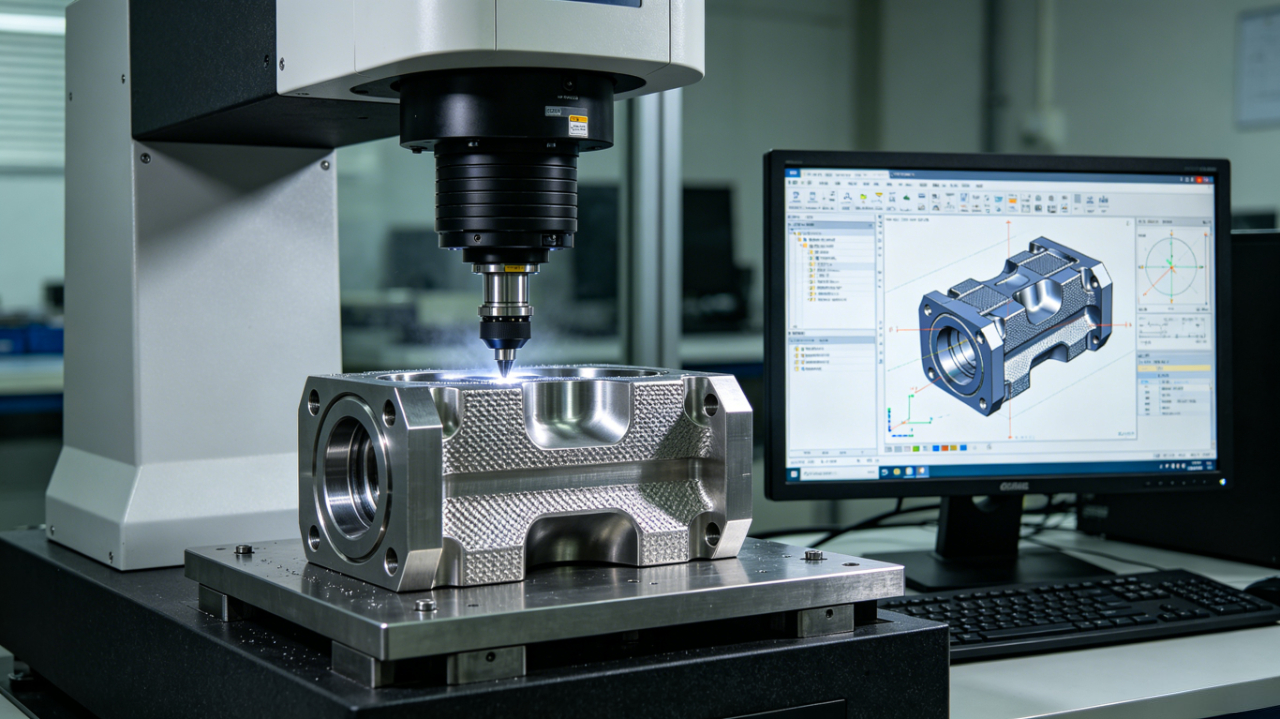
Our approach is straightforward: we first conduct thorough process evaluation, documenting the machining sequence (which surfaces to machine first, which bores to fine-bore later, and how much stock to leave for finishing) on process sheets. We utilize 5-axis machining with one-time fixturing to complete most features, minimizing repositioning errors. Before finishing cuts, we measure workpiece temperature and let parts thermally stabilize for half an hour prior to running machining programs. Every finished flange plate undergoes full CMM inspection, with all dimensions controlled close to the lower mid-tolerance range. Twenty assembled sets delivered to the client fit perfectly with zero assembly jams.
The same rigorous standards apply to the refrigeration industry. For compressor valve plates made of ductile iron, dozens of valve holes and oil passage channels are machined. Bore wall roughness must reach Ra0.8, and the sealing surface for valve plates requires a flatness of 0.005 mm. We machine each bore individually with dedicated cutting tools without skipping steps, ensuring uniform smoothness across all bore walls. Ceramic end milling cutters are used for finishing sealing surfaces to eliminate tool marks entirely.
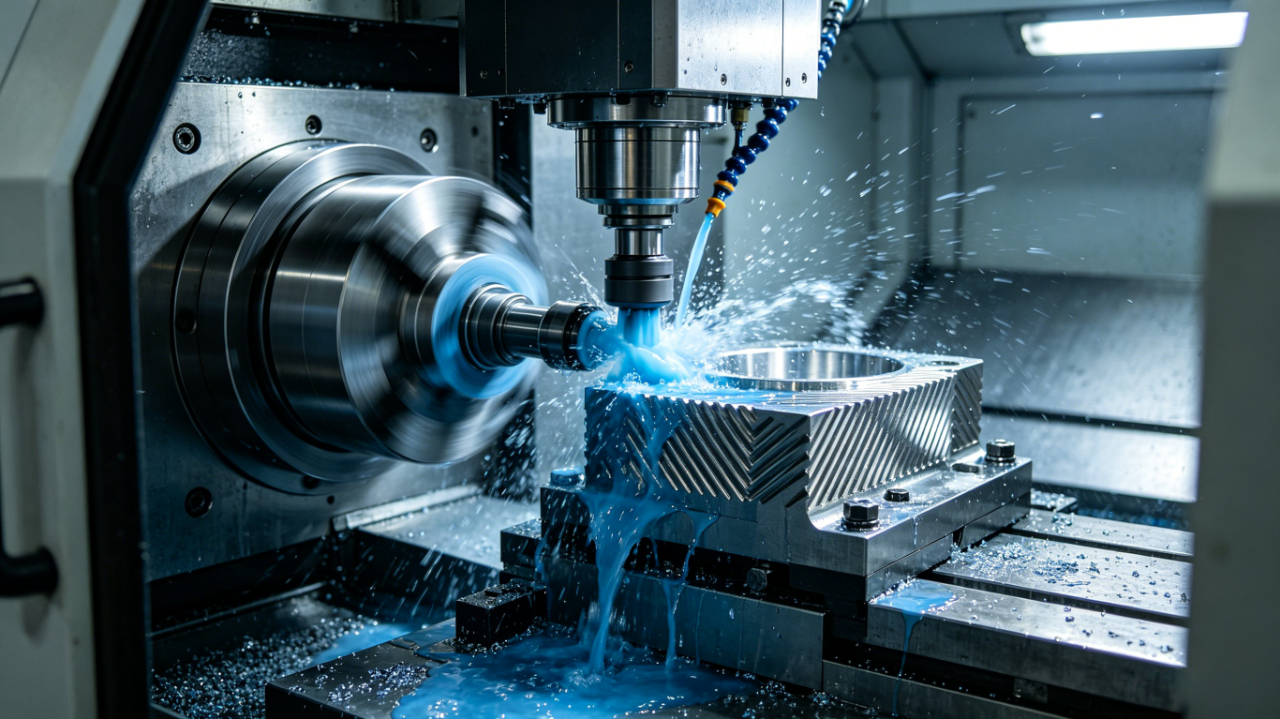
These components are neither extremely challenging nor trivial to fabricate. The decisive factor lies in whether your machining partner is willing to invest meticulous care into your products.
Do you have similar component demands—flange plates, valve plates, housings, end caps, or others? Send over your drawings, and we will provide a quotation paired with a detailed process plan outlining our proposed manufacturing procedures. No obligation to place an order; at minimum, you will gain clear insight into how these precision parts are produced.