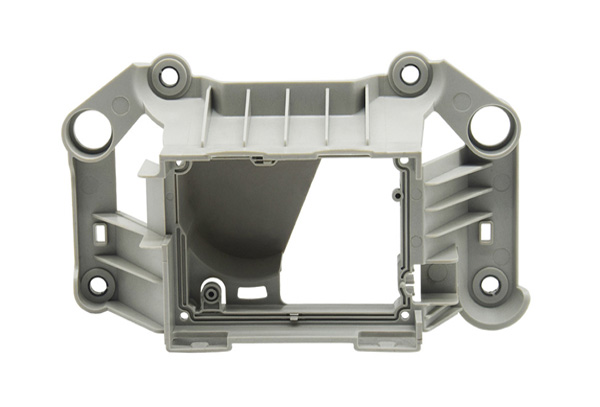
A few years ago, the development path for most plastic products was fairly straightforward. Once the design was finalized, the next step was usually to build a production mold and move directly into mass production.
Today, we are seeing a different approach.
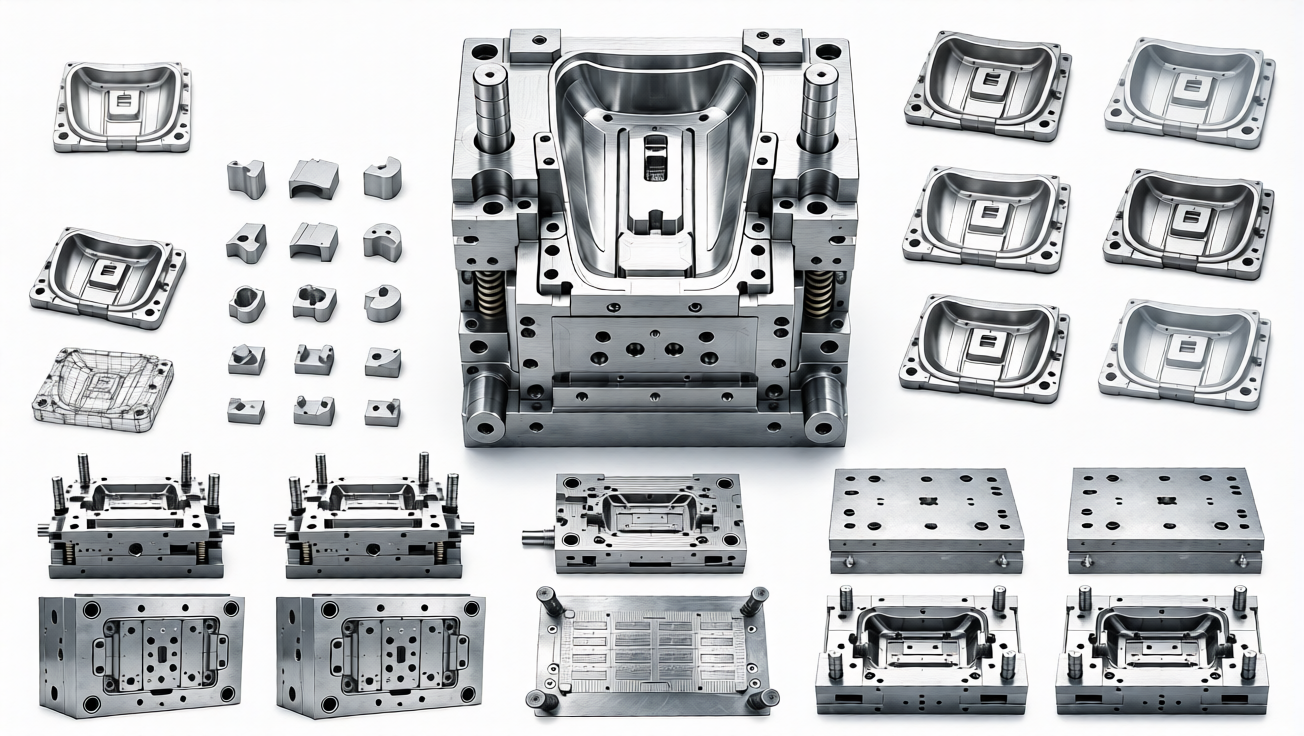
One of the most common questions customers ask after sending us their CAD files is no longer, “How long will it take to build the production mold?” Instead, they ask:
“Can we make a small batch first?”
This shift reflects a broader change in how products are being developed and launched.
In the past, companies often had a clearer understanding of market demand before investing in tooling. Product lifecycles were longer, and committing to a production mold early in the project carried less risk.
Today, many products are entering highly competitive and rapidly changing markets. Even when a design appears ready for production, companies are increasingly looking for ways to validate demand, gather user feedback, and reduce risk before making a larger investment.
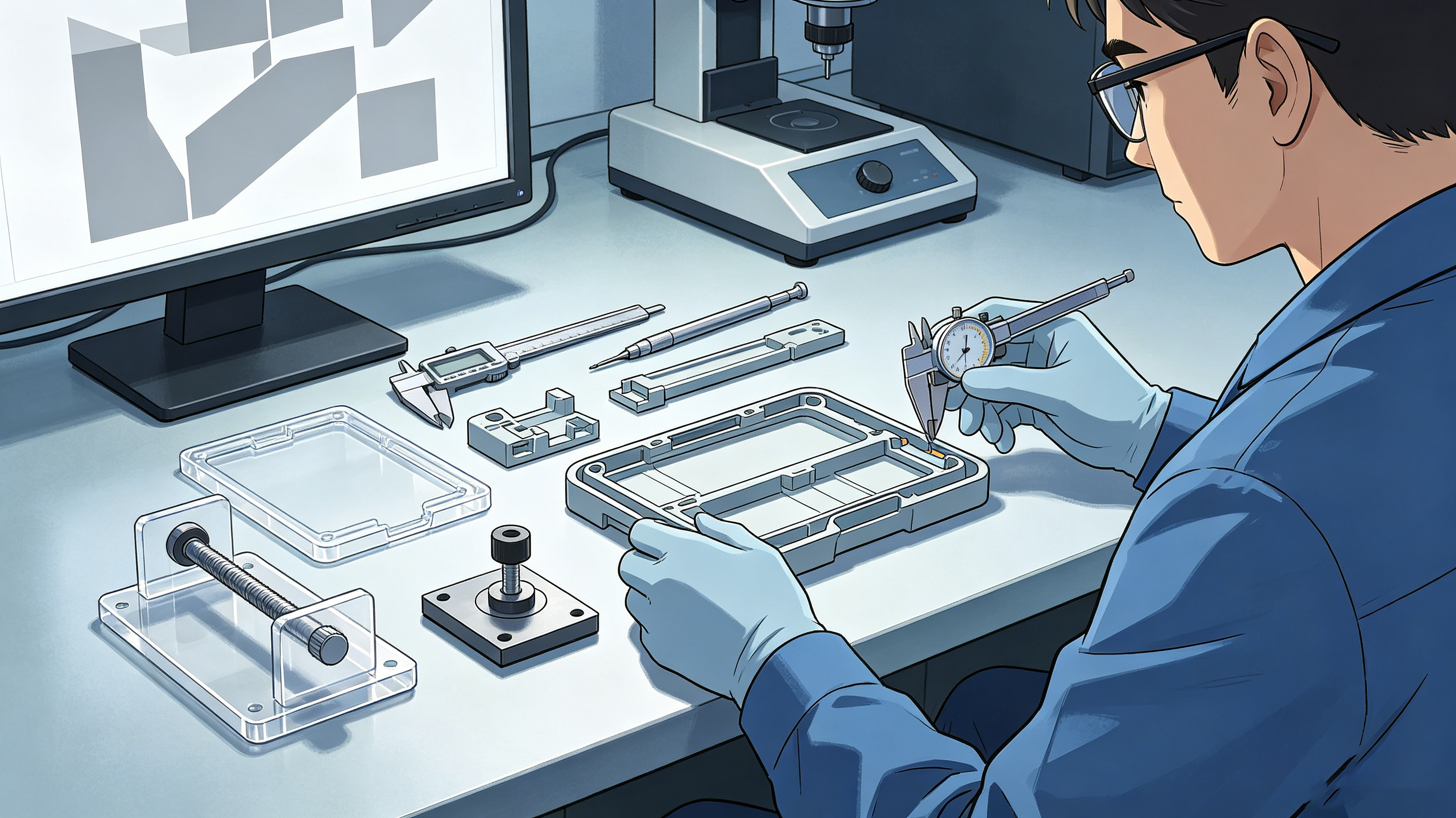
This trend is especially noticeable in industries such as consumer electronics, smart devices, robotics, and startup hardware projects.
For product development teams, the first product launch is often only the beginning of the process.
After initial testing or market feedback, design revisions are common. A snap-fit feature may need improvement. Wall thickness may require optimization. Mounting holes may need to be repositioned. Sometimes a seemingly minor design change can significantly improve product performance or simplify assembly.
If a production mold has already been built, these changes can become expensive and time-consuming.
That is one reason why rapid tooling and low-volume injection molding have become increasingly popular in recent years.
By producing parts with production-grade materials in smaller quantities, companies can evaluate product performance, assembly, and user feedback before committing to full-scale production. This approach provides greater flexibility and allows engineering teams to make informed decisions based on real-world testing rather than assumptions.
From a manufacturing perspective, we have also noticed changes in customer purchasing patterns.
In the past, it was not unusual for projects to move directly from development into large production runs.
Today, many projects follow a more gradual path:
Prototype Validation
Low-Volume Production
Market Testing
Design Optimization
Mass Production
For many companies, this phased development process has become the new normal.

Of course, production tooling remains the most cost-effective solution for high-volume manufacturing. Once a product has been validated and market demand is established, a production mold is still the best way to achieve consistent quality and lower unit costs.
What has changed is the way companies approach the stage before that investment.
More businesses want the opportunity to test, learn, and refine their products before committing to full production tooling.
As a result, manufacturing partners are being asked to provide more than production capacity alone. Fast response times, engineering support, rapid tooling, and low-volume manufacturing capabilities are becoming increasingly important.
Based on the projects we work on, teams that spend time validating their designs before mass production often encounter fewer issues later in the product lifecycle.
Rapid tooling and low-volume injection molding are helping bridge the gap between product development and full-scale manufacturing, giving companies greater confidence before taking the next step.