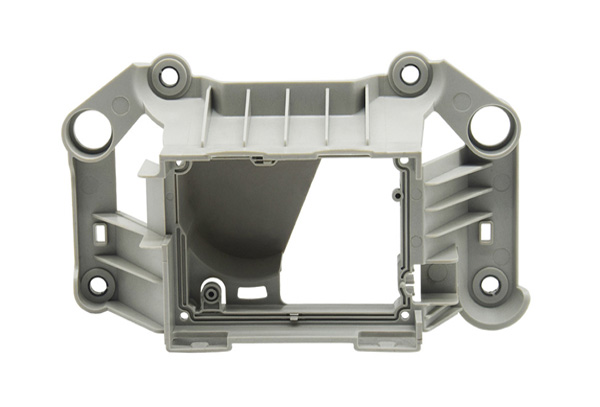
Developing a new motorcycle component is rarely a one-step process. From the first CAD design to final testing, engineers often need multiple rounds of adjustments to improve strength, weight, and overall performance.
For motorcycle manufacturers and aftermarket parts developers, the biggest challenge is not only creating a new design, but also verifying whether the design works in real conditions. A component that looks perfect on a computer model may require structural changes after installation or performance testing.
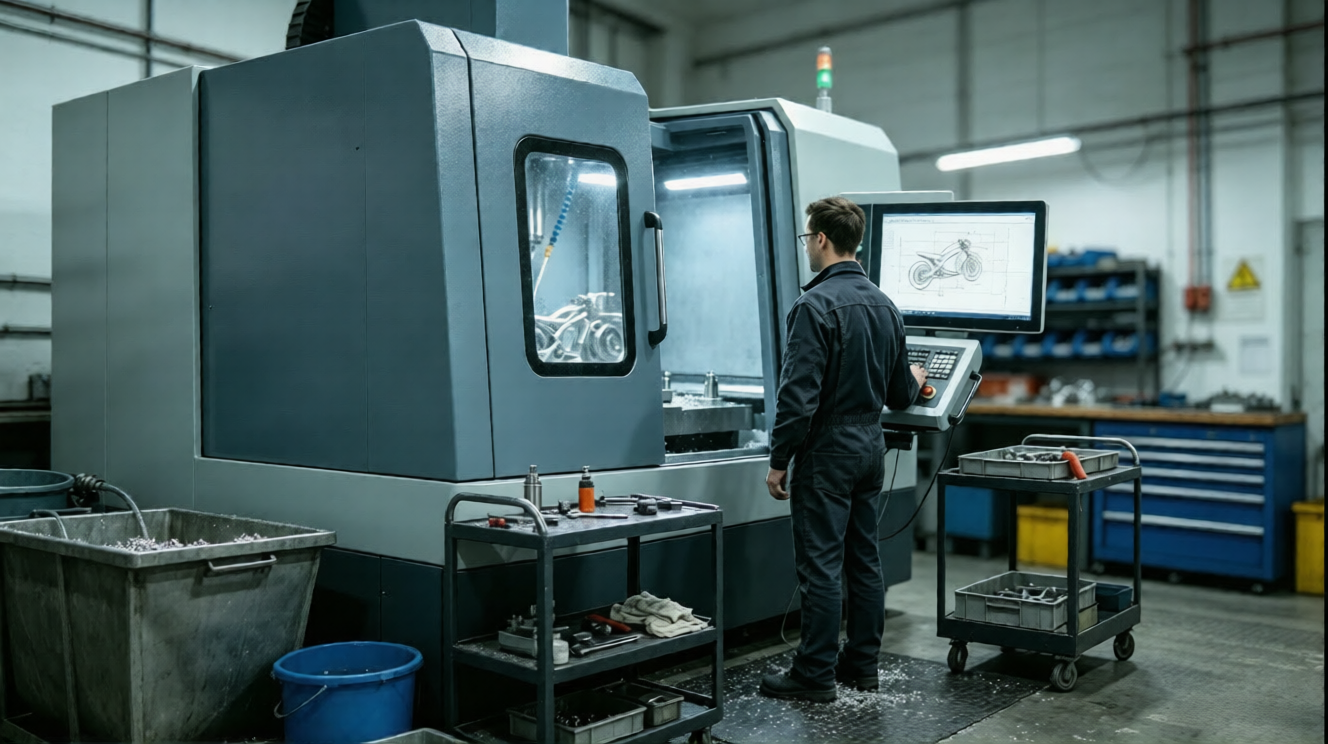
This is why CNC machining has become an important solution during motorcycle prototype development.
Unlike traditional manufacturing methods that require expensive tooling, CNC machining allows engineers to produce functional parts directly from CAD files. When a design needs improvement, the model can be updated and a new prototype can be manufactured quickly, helping teams complete more design iterations with lower development costs.
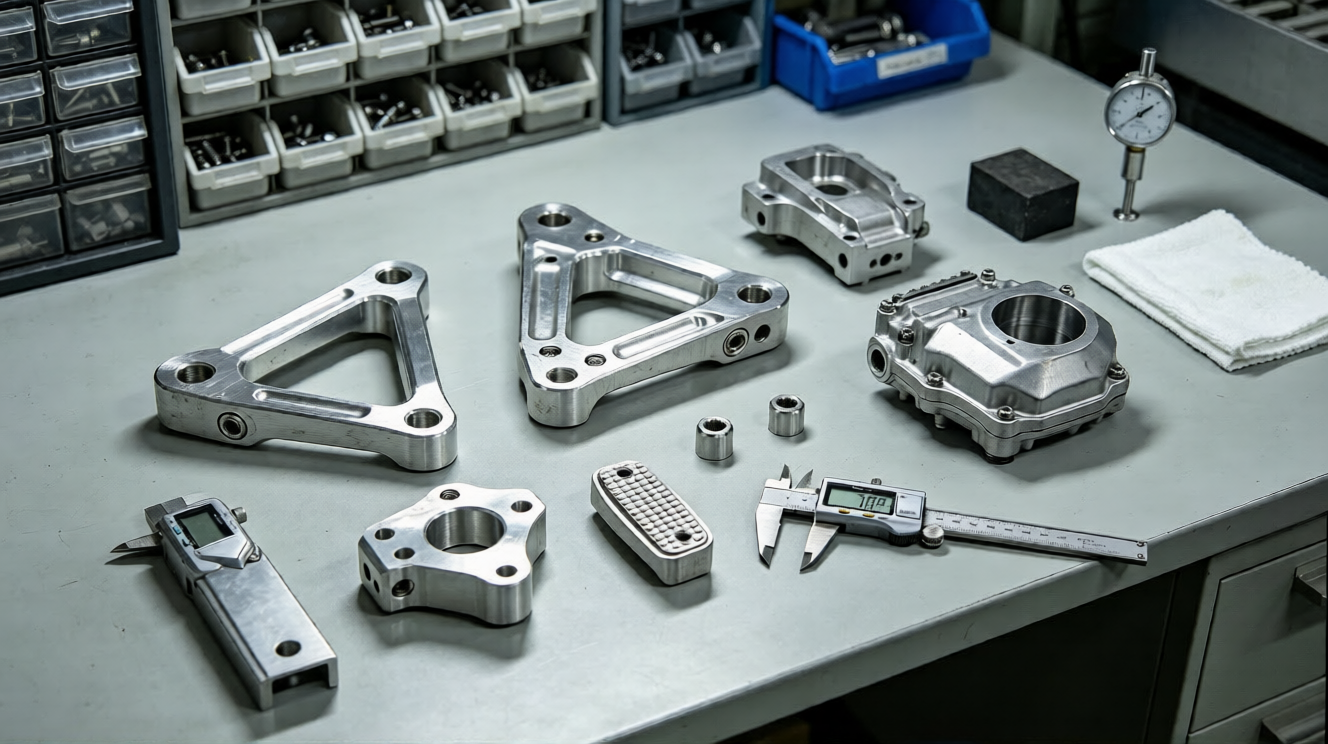
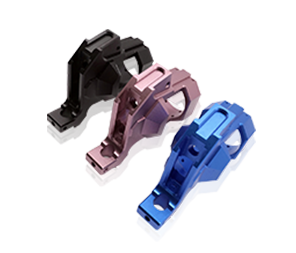
For example, lightweight aluminum components used in motorcycles often require a balance between strength and weight reduction. Parts such as triple clamps, mounting brackets, foot controls, and engine covers need precise dimensions to ensure proper assembly while maintaining reliable performance.
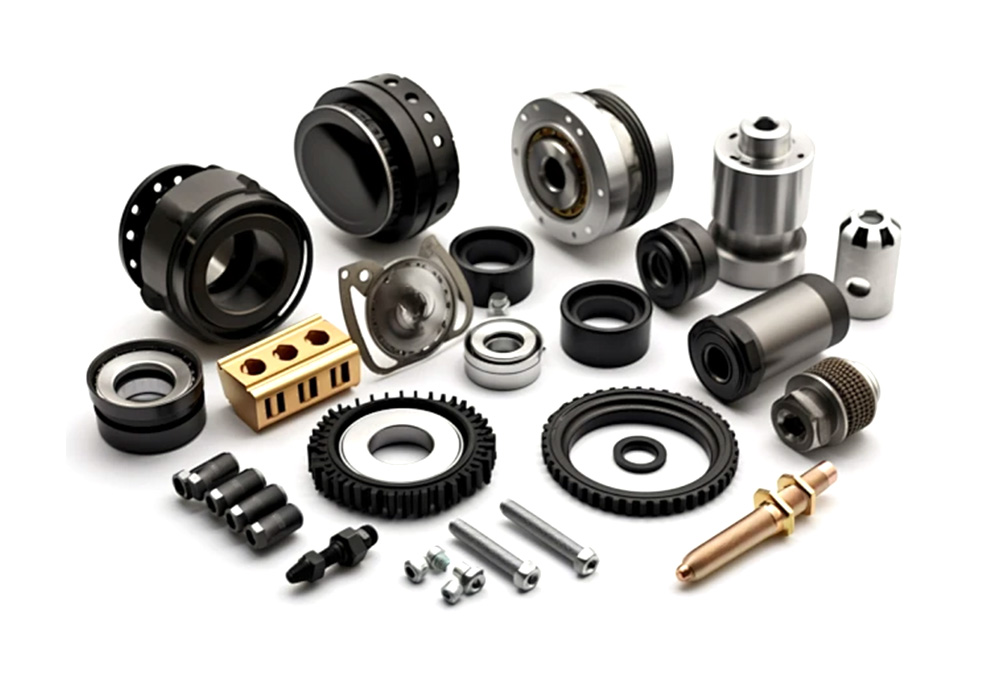
Materials like 6061 aluminum and 7075 aluminum are commonly selected for these applications because they provide excellent machinability and strength-to-weight ratios. Through CNC milling, turning, and multi-axis machining, manufacturers can produce complex geometries that are difficult to achieve with conventional manufacturing methods.
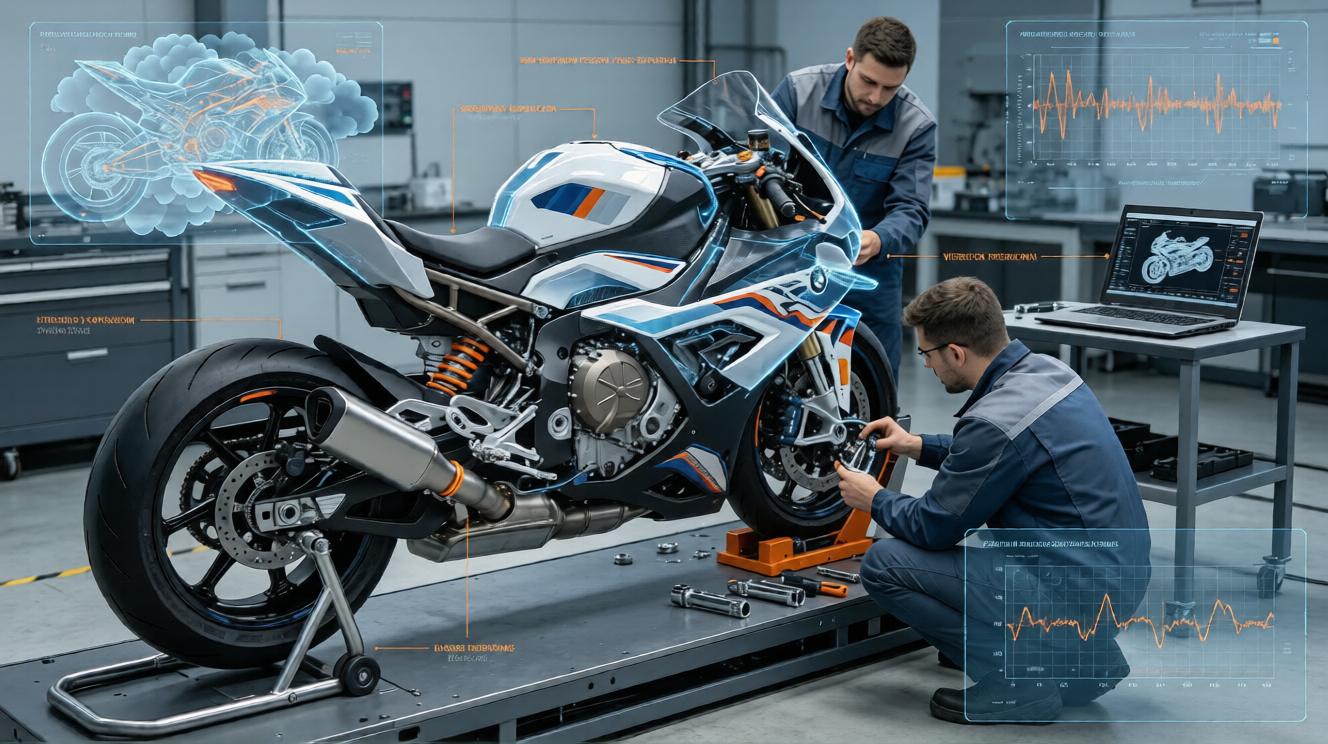
For companies developing customized motorcycle parts or low-volume production components, CNC machining provides the flexibility needed during early product development. It allows designers to test different solutions, improve designs faster, and reduce the risks before moving into mass production.
At Yongen Prototype, we support motorcycle component development through precision CNC machining, rapid prototyping, and low-volume manufacturing services. With experience in machining metal and plastic parts, ARES helps customers transform CAD designs into functional prototypes and production-ready components.