In the early stages of New Product Development (NPD), R&D engineers and procurement managers often face a crucial dilemma: "Should we use 3D printing, CNC plastic machining, or jump straight into injection molding for our testing prototypes?"
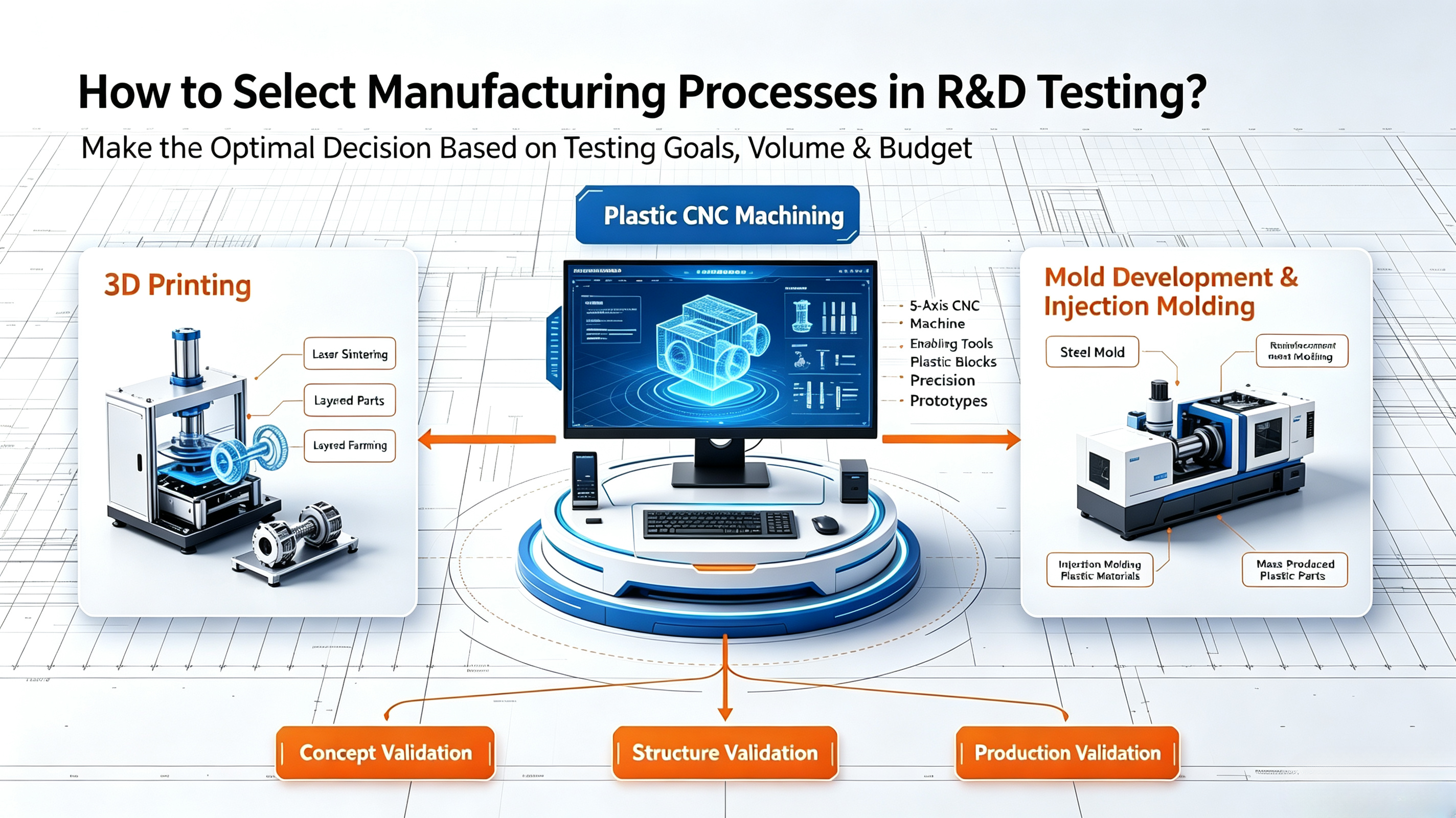
As a comprehensive, full-service contract manufacturer, Yongen Forming Technology never pushes a single one-size-fits-all process. Whether you need rapid 3D printing for proof-of-concept, high-precision plastic CNC machining for functional testing, or production tooling for high-volume runs, we always provide the most cost-effective and objective manufacturing solution based on your specific development stage, testing requirements, and budget constraints.
However, during the critical functional testing and structural verification phase, CNC plastic machining consistently emerges as the optimal choice—delivering the perfect balance between real-world material performance and budget control.
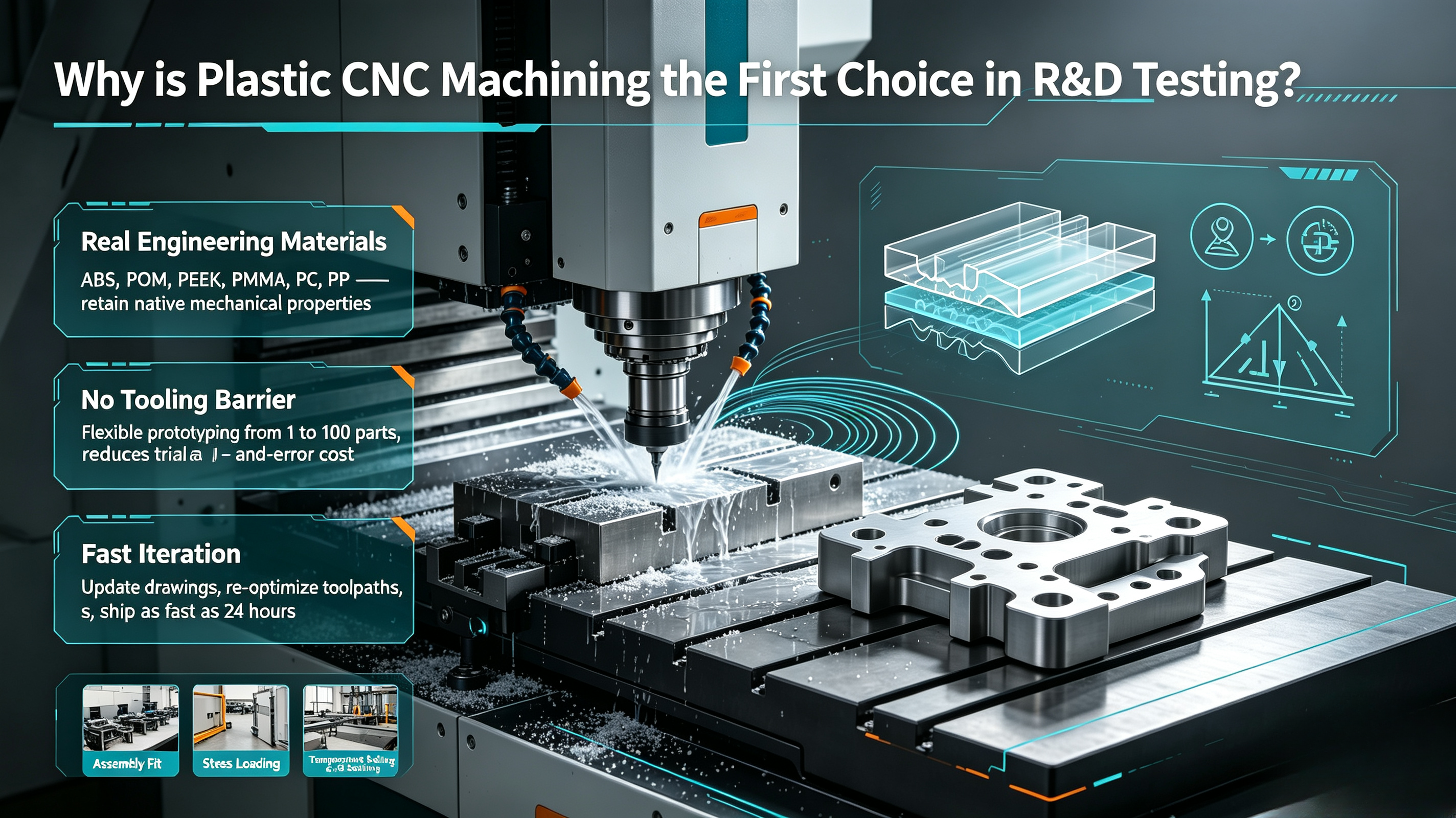
While Yongen Forming provides end-to-end capabilities in both 3D printing and mold making, CNC plastic machining offers distinct, unbeatable advantages during the functional testing phase:
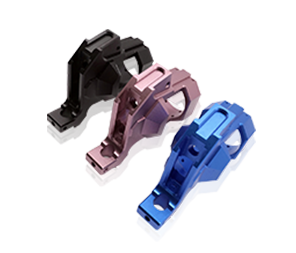
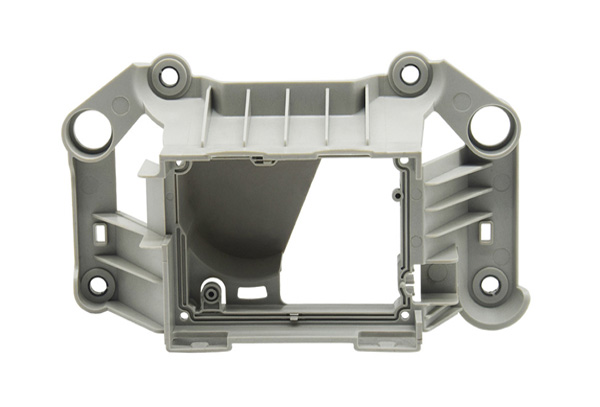
3D printed parts often suffer from anisotropic weaknesses (Z-axis layer bonding issues) and property deviations compared to final molded components. In contrast, CNC plastic machining subtracts material directly from solid engineering plastic blocks (such as ABS, POM, PEEK, PMMA, PC, PP, and more). This preserves 100% of the material's native physical and mechanical properties, ensuring fully reliable data for stress tests, thermal endurance, fluid sealing, and assembly fit checks.
Opening a steel or aluminum injection mold prematurely carries high financial risk. If design flaws are detected during testing, modifying or scrapping a mold is extremely costly. Plastic CNC machining requires Zero Tooling Cost, allowing flexible prototype runs from 1 to 100+ units. This enables your team to catch design oversights early without burning through your tooling budget.
R&D is all about rapid trial, error, and iteration. If a design tweak is needed after physical testing, your team simply updates the 3D CAD file. Yongen Forming can quickly adjust the CAM toolpaths and resume machining, delivering revised prototypes in as fast as 24 hours to keep your development pipeline moving forward.
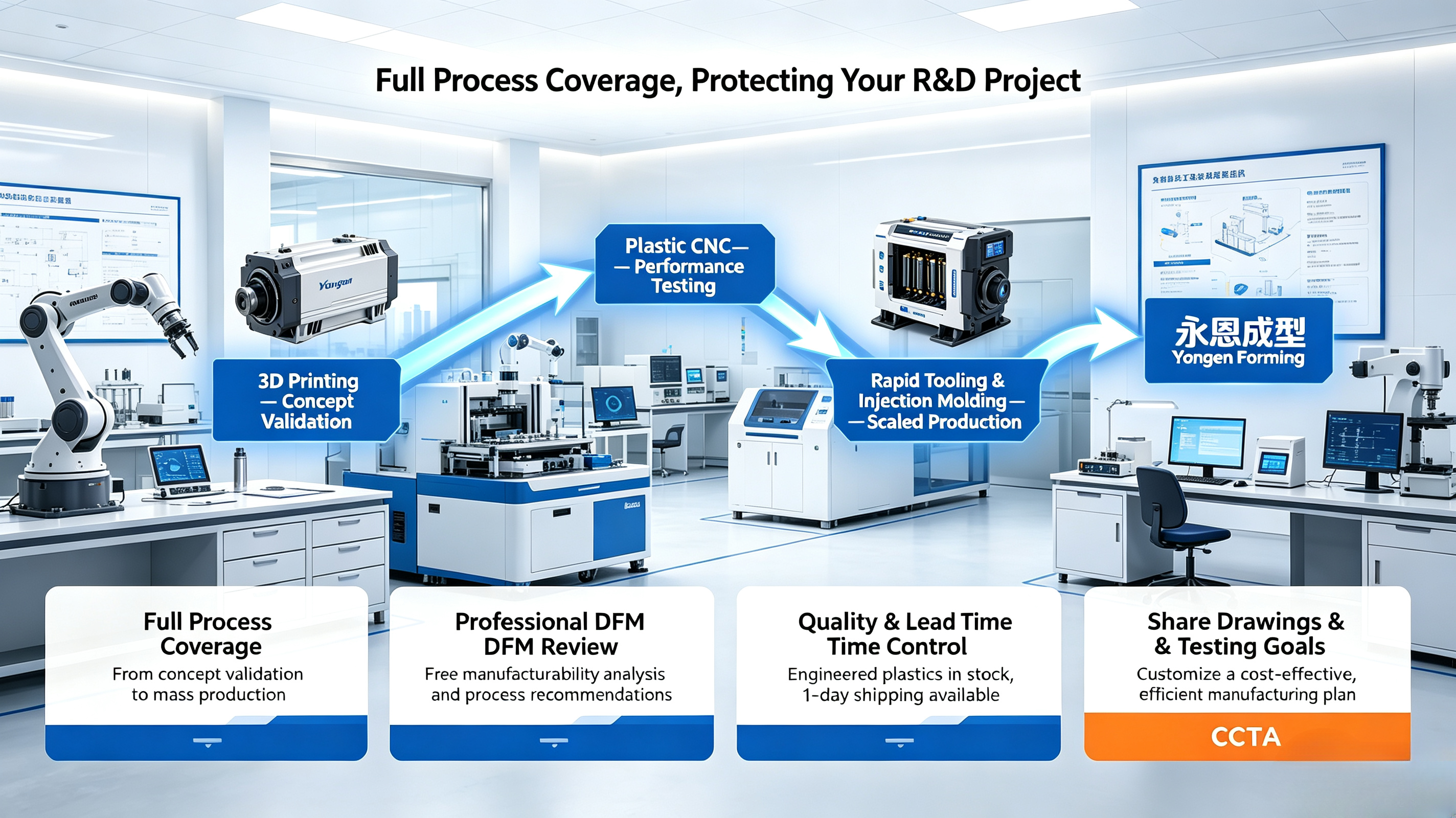
No matter where your project stands in the development lifecycle, Yongen Forming provides a seamless transition from prototype to production:
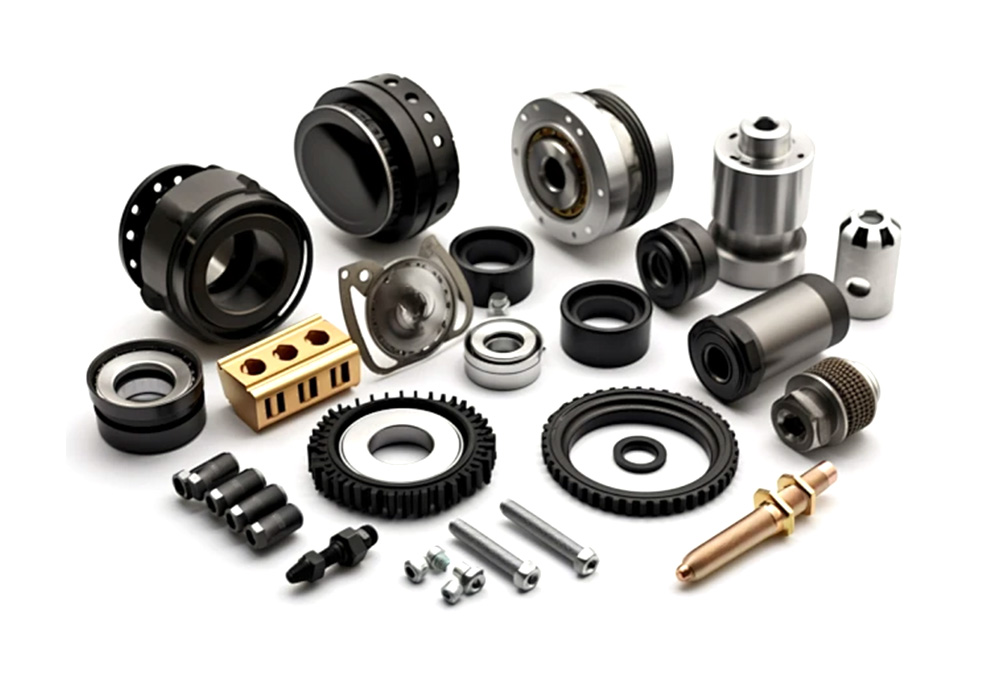
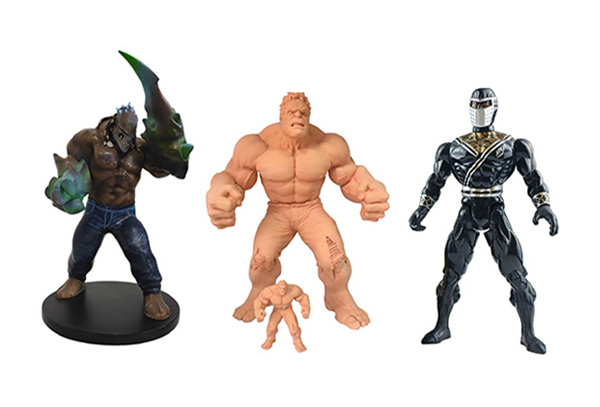
· Complete Process Portfolio: From early SLA/SLS 3D printing for visual models, to plastic CNC machining for functional verification, and rapid tooling for market launch—all under one roof.
· Complimentary DFM Analysis: Unsure which option fits your current budget? Our experienced engineering team offers free Design for Manufacturability (DFM) reviews to help you optimize part geometries and choose the most economical process.
· Rigorous Quality Control: We maintain a wide inventory of certified engineering plastics and operate under strict ISO 9001 and IATF 16949 quality management systems to guarantee tolerances down to ±0.01 mm.
Simply send us your 3D CAD files and testing goals, and our engineering team will handle the rest. We will tailor a cost-efficient manufacturing strategy aligned with your budget, turnaround time, and performance specs.