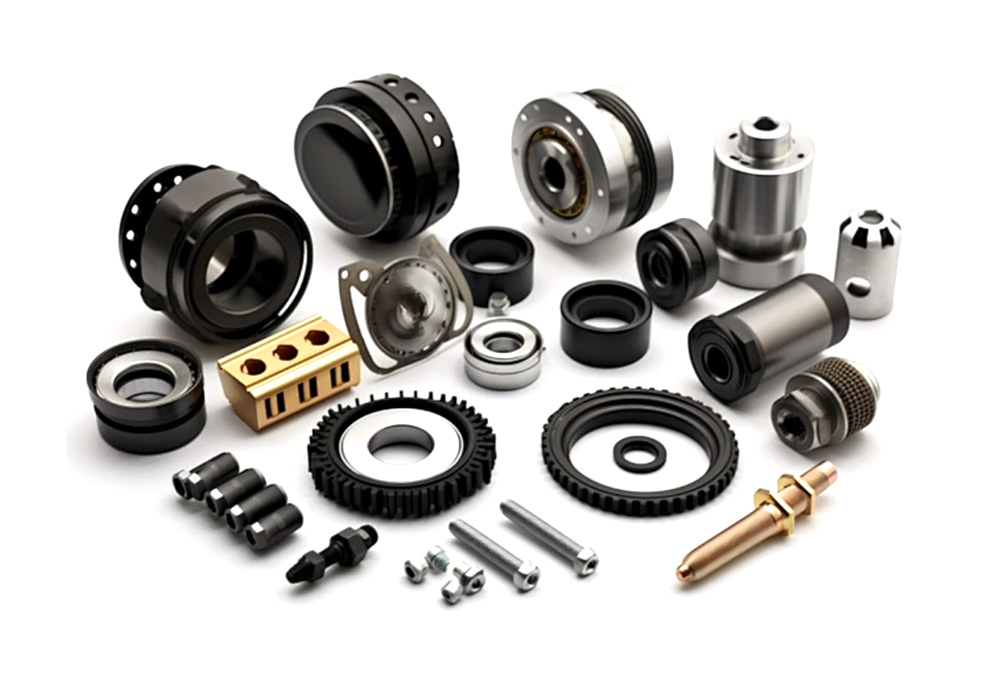
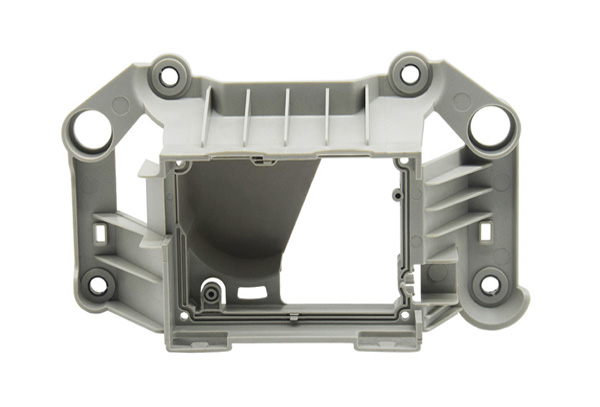
Construction machinery, mining equipment and industrial reducers rely on gear sets to transmit power through repeated loading cycles. A single assembly can combine large gears, small pinions and gear shafts, with different requirements for strength, wear resistance and assembly fit. Reviewing these requirements early helps establish a practical material and machining plan.
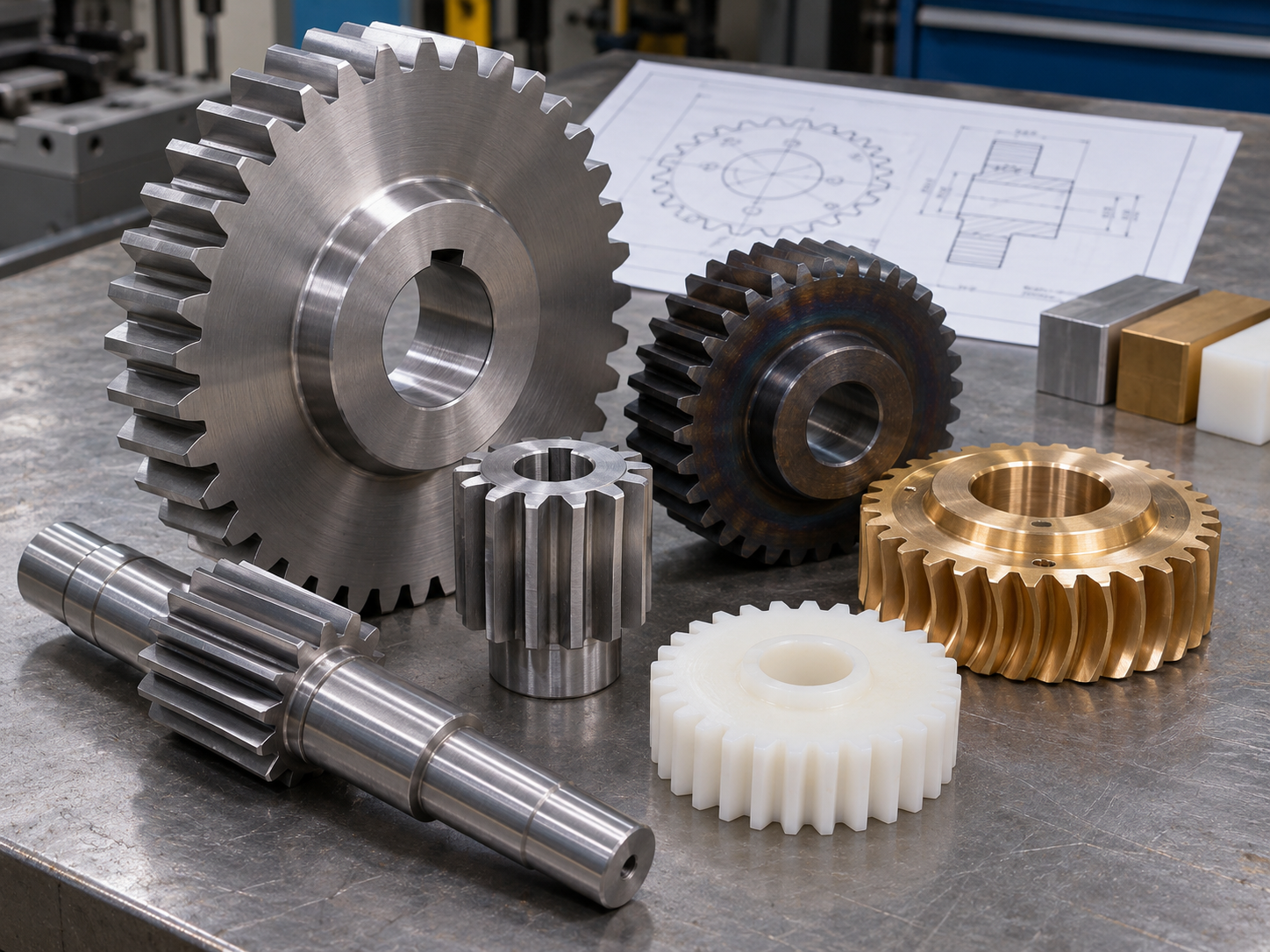
For high tooth loads and repeated impact, a case-hardening steel such as 20CrMnTi may be considered. Suitable carburizing, quenching and tempering can produce a hard, wear-resistant surface with a tougher core. Selection still depends on section size, hardenability and the specified operating conditions.
For other duties, 40Cr may be specified with quenching and tempering and, where required, additional surface hardening. Medium-carbon steels such as Chinese 45 steel or JIS S45C can also suit appropriate applications with the specified heat treatment. Material standards and the final heat-treated condition should be stated clearly on the drawing for international sourcing.
Some gear systems call for other materials. Gray cast iron offers useful vibration damping where impact loading is controlled; bronze is commonly used for worm wheels. POM or nylon may be considered when lower weight and quieter operation matter, subject to the actual load, temperature and wear requirements.
The gear set also needs to be evaluated as an assembly. Tooth counts and the driving arrangement determine the speed ratio, while the drawings define tooth geometry, face width, bore fit and mounting features. A small pinion can experience demanding loading, so diameter alone provides little basis for choosing its material.
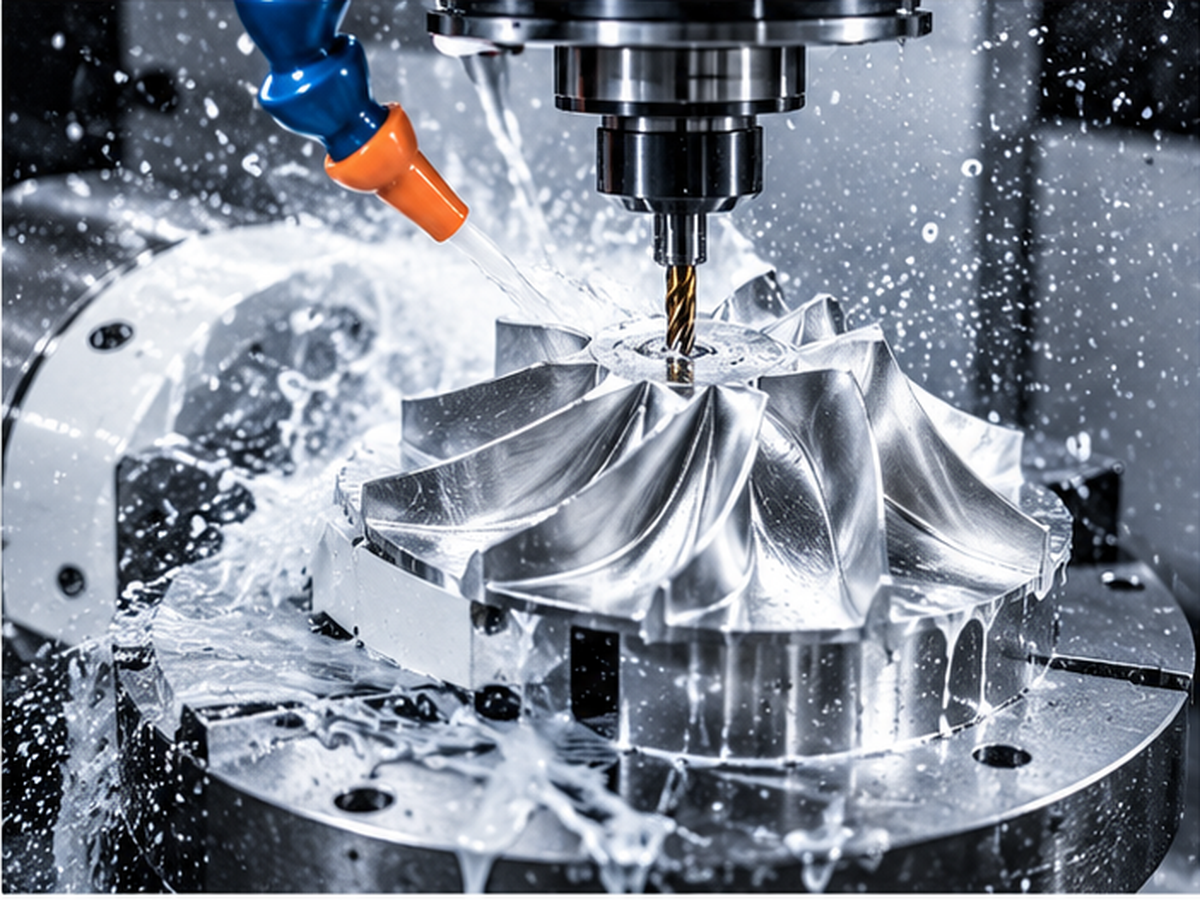
During manufacture, CNC turning and milling establish the blank, hub, bore and locating surfaces. The tooth form may then require hobbing, shaping or another suitable cutting process. Where heat treatment is specified, its potential effect on distortion must be included in the process plan. Grinding or other finishing may be needed after hardening. Final inspection should address the specified tooth geometry and runout relative to the mounting datum.
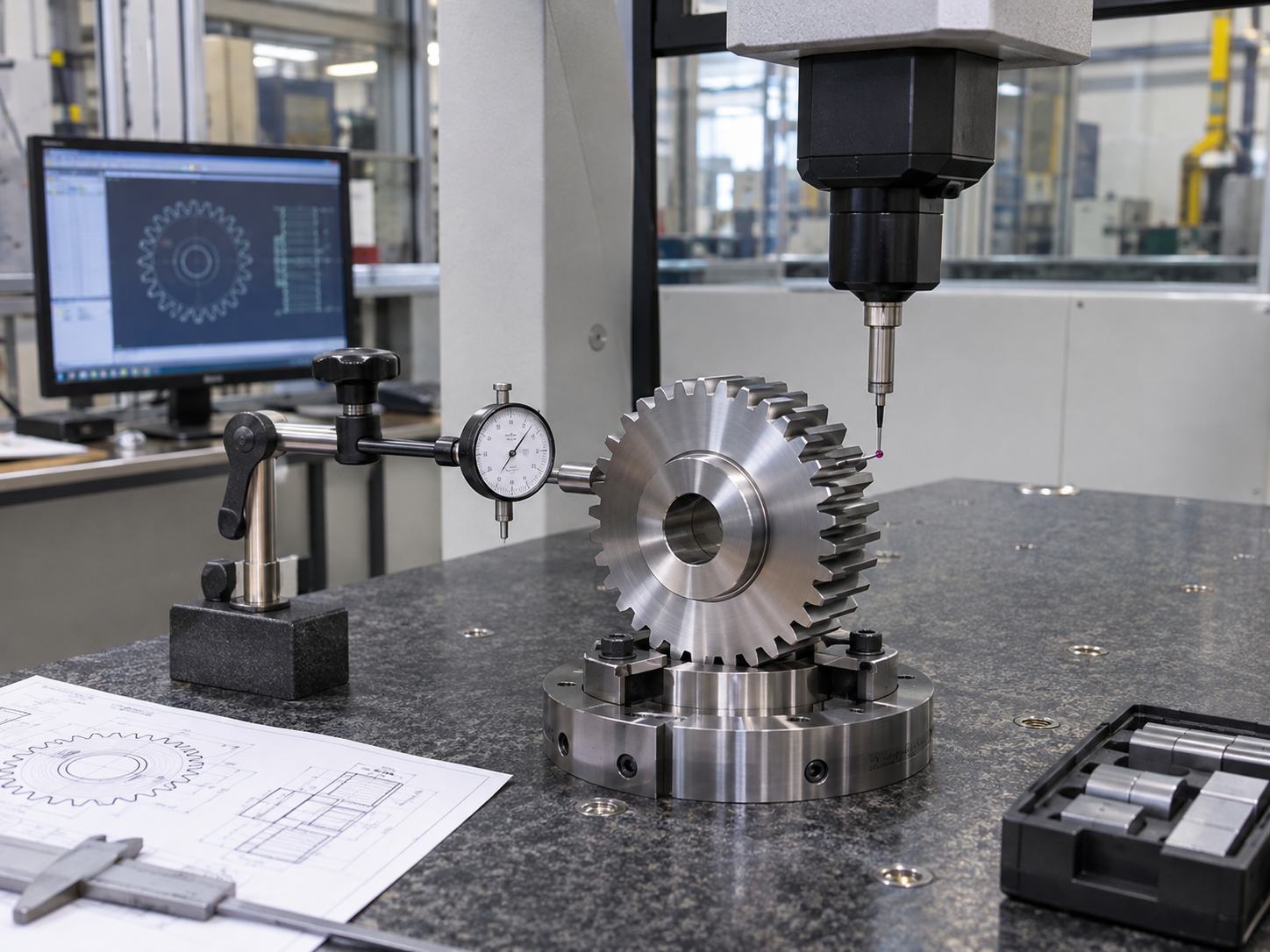
ARES Mold supports custom gear and transmission-component projects by reviewing drawings, materials, quantities and critical features before production. For prototype and small-batch requirements, this review helps align the machining sequence, heat-treatment requirements and inspection scope with the intended assembly and service conditions.
Send ARES Mold your 3D model and 2D drawings, together with the material, quantity and critical tolerances. Please also specify any heat-treatment, hardness and gear-accuracy requirements so that we can evaluate a complete machining, post-treatment and inspection plan.